Not all shiny paints are the same. Some give a glossy shine, others give a metallic sparkle, and then there is mirror finish paint, which tries to do something more ambitious. It aims to make a surface look like actual glass, reflecting light and objects around it instead of just looking bright.
If you have ever wondered how ordinary paint can end up looking like a real mirror, this blog breaks it down in plain language. No technical jargon, just a clear look at how it works and where it fits in daily life.
What Makes a Finish ‘Mirror Like’?
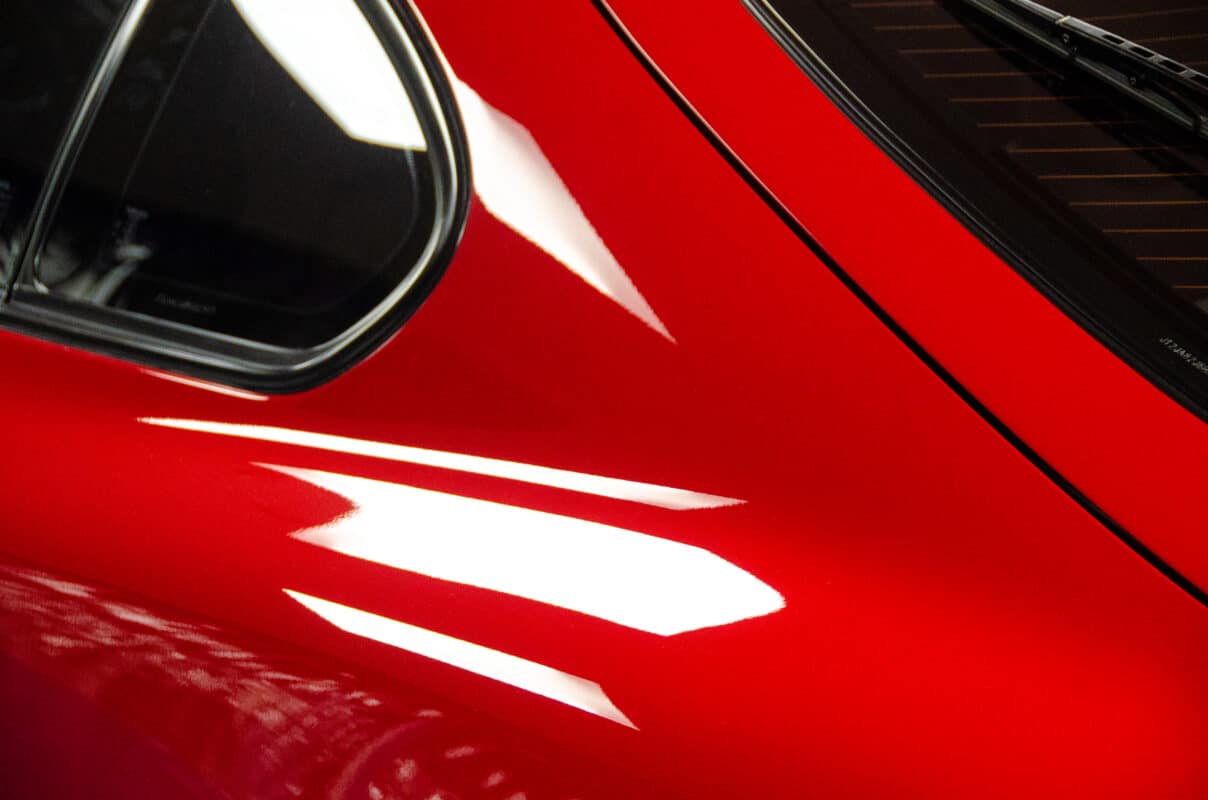
A true mirror reflects because light bounces off a completely flat, smooth surface without scattering. Regular paint, even glossy paint, still has tiny bumps and texture at a microscopic level. That texture scatters light in different directions, so you get shine, not reflection.
Mirror finish paint is formulated to sit flatter and smoother than ordinary paint. It often contains fine reflective particles that settle in a way that mimics a smooth surface. When applied correctly, in thin, even layers, it comes close to the flat quality of real glass, which is why it can reflect a blurry image of whatever is in front of it.
Types of Shine You Will Come Across
It helps to understand the difference between a few common finishes before choosing one. Matte finish has almost no shine and hides surface flaws well. Satin and eggshell finishes have a light sheen, somewhere in between matte and gloss. Glossy finish is shiny and reflects light, but does not show a clear reflection of objects.
Mirror finish sits at the far end of this scale. It is designed specifically to reflect, not just shine. This is the biggest reason people choose it for décor pieces where they want an actual reflective quality, rather than just a bright, polished look.
Why the Base Surface Matters So Much
Here is something many first-time users do not expect. The final shine depends heavily on what lies underneath the mirror coat. If the base surface has scratches, bumps, or rough patches, those imperfections will show through the finish, even after several coats.
This is why proper sanding and cleaning before painting is not an optional step. It is actually the foundation of the whole look. A smooth, primed base gives the reflective top coat something even to sit on, which is what creates that clean, glass-like appearance.
How Many Coats Does It Usually Take?
There is no fixed number, but most people find that three to five thin coats give a noticeably reflective result. Fewer coats often leave a cloudy or semi-transparent look. Too many coats applied too quickly, without drying time between them, can cause the surface to crack or peel later.
Patience really is the deciding factor here. It is tempting to keep spraying until the shine appears instantly, but the better approach is to build it up slowly, letting each layer set before adding the next one.
Common Surfaces People Use It On
Wood, metal, glass, and certain plastics are the most common surfaces for this kind of paint. Wooden frames and small furniture pieces are popular because the wood grain, once sealed properly, gives a nice solid base for the reflective layer.
Metal objects like old lamp stands, trays, or decorative pieces also take well to this finish, especially once any rust or old paint has been removed first. Glass is a bit different, since it is already smooth, but it still needs to be completely clean and free of grease before painting.
A Few Practical Tips
Work in a well-lit area so you can actually see how reflective each coat is becoming. It is easy to miss thin patches in dim light, only to notice them later once the piece is fully dry.
Keep the room as dust-free as possible. Since the whole point is a smooth, reflective surface, even small specks of dust can settle into a wet coat and leave visible marks once it cures.
Give the final piece enough curing time before handling it regularly. Even if it feels dry to the touch, the deeper layers may still be settling for a day or two after application, and rough handling too soon can leave marks or fingerprints in the finish.
Where It Fits Into Pakistani Homes
Home décor tastes in Pakistan have shifted a lot in recent years. Many people now prefer smaller, striking accent pieces over large, heavy furniture. A single reflective side table or a mirrored tray on a dining table can change the whole feel of a room without a big renovation.
It also suits smaller apartments and flats, which are becoming more common in cities like Karachi, Lahore, and Islamabad. A reflective surface, whether on a wall shelf or a decorative object, tends to make a compact space feel a little bigger and brighter, since it bounces light around instead of absorbing it.
Seasonal home refreshes are another reason it has caught on. Before weddings, Eid gatherings, or simply a change of season, many households like to update a room cheaply. Repainting an old piece with a reflective finish is far less expensive than buying new furniture, and it gives guests something to notice.
Storing and Caring for a Mirror Finish
Once the piece is fully cured, it does not need much special care. A soft, dry cloth is usually enough to keep the surface clean. Avoid rough cleaning pads or strong chemical cleaners, since they can scratch or dull the reflective layer over time.
If the piece will sit near a window, keep in mind that direct, harsh sunlight for long hours can slowly affect the shine of some finishes. Placing it in a spot with moderate light usually helps the reflective quality last longer without fading or clouding.
Wrapping It Up
Mirror finish paint is really about patience and preparation more than anything else. The reflective particles do the heavy lifting, but a smooth base and careful, thin coats are what turn an ordinary object into something that genuinely reflects light and shape. Once you understand that balance, it becomes a lot easier to get consistent, good-looking results at home, without needing any special training or expensive tools.