Walk into any newly done-up drawing room these days and you might spot something odd. A side table or a small frame that looks like real glass, but it is not glass at all. It is paint. This is mirror effect paint, and it has quietly become one of the most talked-about finishes in home décor circles across Pakistan.
It sounds like a strange idea at first. Paint that looks like a mirror? But once you see it on a surface, in the right light, you understand why people are drawn to it. This blog will walk you through what it actually is, how it behaves, and why so many homeowners and hobbyists are picking it up this year.
What Exactly Is Mirror Effect Paint?
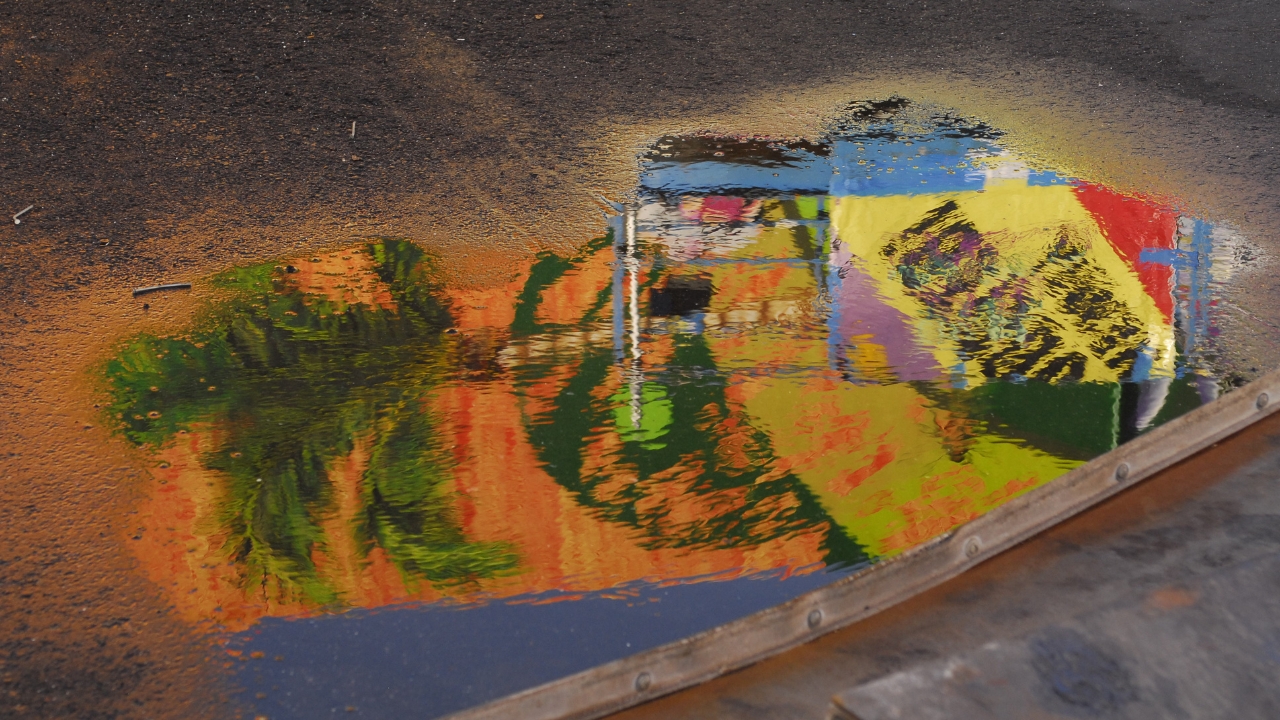
In simple words, it is a paint that dries into a highly reflective, glass-like surface. Once it cures, it can bounce back light almost the way a real mirror does. Some versions come very close to true reflection. Others give a softer, more silvery sheen. Either way, the goal is the same: to turn an ordinary object into something that shines and reflects.
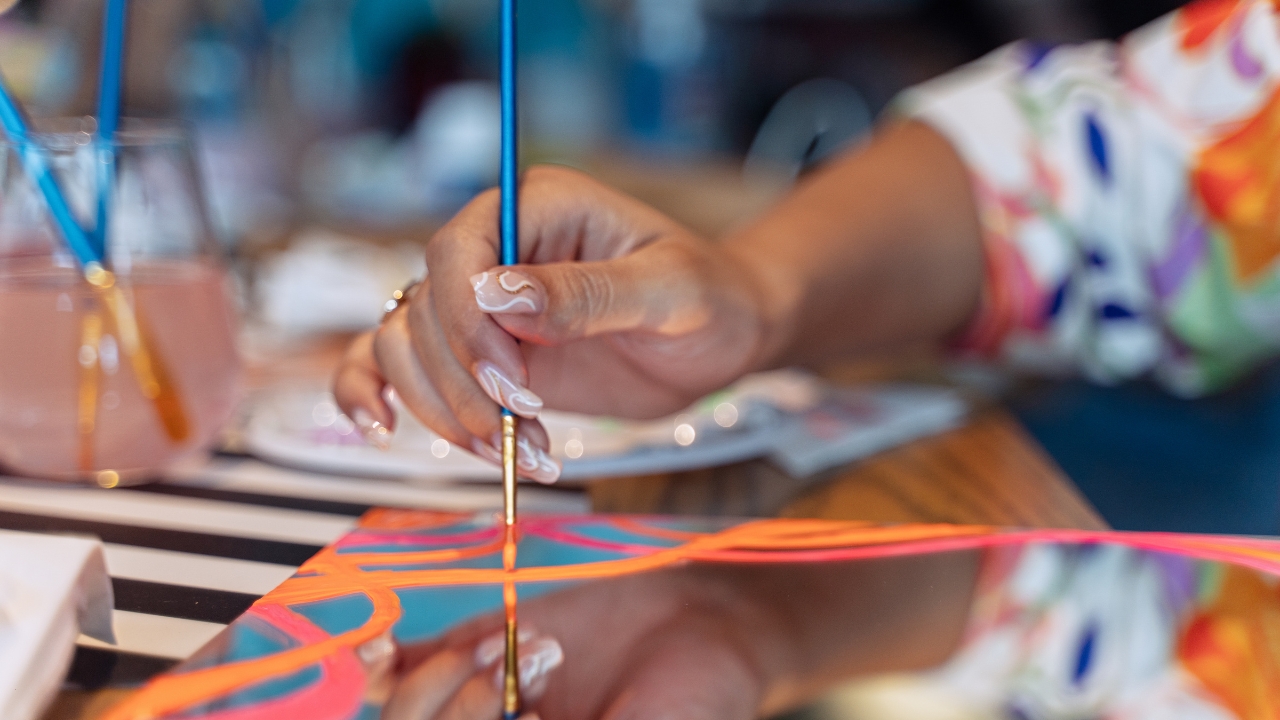
It usually comes as a spray or a liquid that you apply in thin coats. The magic is not in one single layer. It is in how many coats you apply, how evenly you spray them, and how much time you give each layer to dry. That is really the whole secret behind the effect.
How Is It Different From Normal Paint?
Regular wall paint is meant to cover a surface and give it colour. It does not aim to reflect anything. Mirror finish paint works on a completely different principle. It uses fine metallic particles that align in a way that creates a reflective layer once it dries.
Normal paint also tends to be forgiving. A brush stroke here or there does not ruin the final look. With mirror-style paint, small mistakes show up clearly, because the surface is meant to reflect everything around it, including uneven patches. This is why people usually spray it rather than brush it on.
Another difference is drying time. Ordinary paint can dry in a single coat within an hour or two. This type often needs several thin coats, each one left to dry before the next goes on. Rushing the process usually gives a cloudy or patchy result instead of a clean shine.
Where Do People Actually Use It?
The most common use is small décor items. Think photo frames, vases, decorative bottles, and small trays. These are easy to spray evenly because they are small and can be turned in your hand or on a stand.
Furniture is another popular choice. A plain wooden side table or an old cabinet door can be transformed with a few coats. Some people also use it on metal objects like candle stands or old lamp bases that have lost their shine over the years.
It also works well for craft projects. Students, artists, and hobbyists in Pakistan have started using it for school projects, wedding décor pieces, and small gifts. A plain glass jar sprayed with this paint can look like a proper mirrored vase within a day.
Why It Is Catching On in Pakistan
A few reasons explain the growing interest here. First, home décor trends move fast now, thanks to social media. People see a reel or a post showing a mirrored table or wall piece, and they want to try it themselves rather than buying something ready-made and expensive.
Second, it fits well with how many Pakistani households like to refresh their homes before weddings, Eid, or other family events. Instead of buying new furniture, people are repainting old pieces to give them a fresh, modern look. It is a low-effort way to make a room feel updated.
Third, the do-it-yourself culture has grown a lot. More people are comfortable trying small home projects themselves instead of hiring someone for every little task. Mirror effect paint fits nicely into that mindset because it does not need heavy tools or special training to get started.
Things Worth Knowing Before You Try It
Weather matters more than people expect. In humid weather, especially before or during monsoon season in many parts of Pakistan, the drying process can slow down and affect the final shine. It helps to work on a dry day, ideally with a fan nearby for gentle air circulation, not direct heat.
Surface preparation is just as important as the paint itself. A dusty or greasy surface will never give a clean mirror look, no matter how many coats you apply. Cleaning and lightly sanding the surface first makes a real difference to the final result.
It also helps to test on a small hidden area first. Every surface reacts a little differently, whether it is wood, metal, glass, or plastic. A quick test patch saves you from ruining a full piece if the paint does not behave the way you expected.
Is It Difficult to Apply?
Not really, but it does reward patience. The biggest mistake beginners make is spraying too much paint too quickly, hoping to get the shine in one go. That almost always leads to drips or a cloudy finish instead of a clean reflection.
The better approach is light, even coats, held at a steady distance from the surface. Let each layer dry fully before adding the next. Most people notice the reflective quality build up gradually, coat by coat, rather than appearing all at once.
Common Mistakes People Make
One frequent mistake is holding the can too close to the surface. This causes the paint to pool in one spot, which leads to drips and an uneven shine once it dries. Keeping a steady distance, usually about a hand span away, gives a much smoother result.
Another mistake is skipping the base coat. Many people jump straight to the reflective layer, expecting instant shine. A smooth, well-prepared base coat actually makes the biggest difference to how reflective the final piece looks, because the mirror layer simply follows whatever texture lies underneath it.
Working in a dusty room is another common issue. Even tiny particles in the air can settle on a wet mirror coat and ruin the smooth reflection. It helps to work in a clean, closed space, away from fans blowing dust around, and to let the piece rest undisturbed while it dries.
Final Thoughts
Mirror effect paint is one of those simple ideas that ends up looking far more impressive than the effort it takes. It turns everyday objects into something that catches the eye, without needing new furniture or expensive glasswork. For anyone in Pakistan looking to refresh a room, try a new craft, or simply experiment with something different, it is worth giving a try. Once you see the first shiny coat come together, it is hard not to want to try it on something else in the house.