The term clear coat spray varnish covers a broad range of products that all share one essential property: they provide a transparent protective layer over a surface without adding any colour. This makes them incredibly versatile. From protecting automotive paint jobs to sealing wooden furniture, coating metal signs, finishing craft projects, or preserving printed materials, clear coat spray varnish is one of the most widely used finishing products across both professional and consumer applications.
Understanding Clear Coat vs Standard Varnish
In technical terms, a clear coat is typically a harder, more durable type of finish, often used as the topmost layer in a multi-coat system. It is designed to resist scratching, chemicals, and UV light while maintaining optical clarity. Standard varnish may be somewhat softer and more flexible, making it better suited for surfaces that flex or expand.
For most everyday applications — art finishing, woodworking, craft projects — the distinction matters less than the specific properties of the product you are using. A clear acrylic spray formulated for general purpose use covers most needs well.
Common Applications of Clear Coat Spray Varnish
The range of applications is genuinely broad:
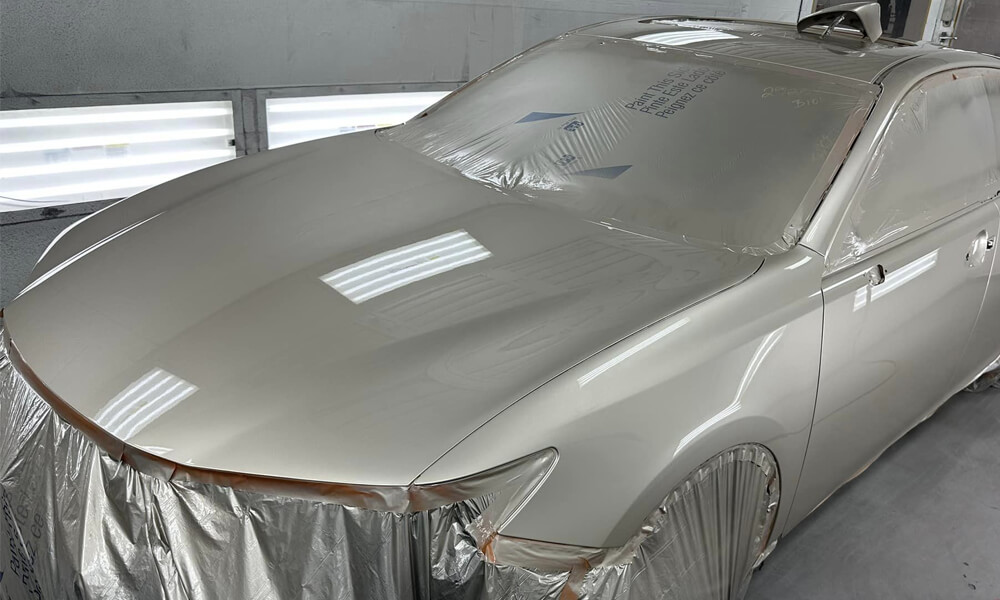
- Automotive finishing: sealing base coat car paint against chipping, UV, and weathering
- Metal surfaces: preventing rust formation on iron, steel, and aluminium
- Signage and printing: protecting outdoor printed signs from rain, UV, and abrasion
- Furniture and joinery: adding a protective clear finish to stained or painted wood
- Electronics enclosures: sealing against humidity and minor corrosion
- Art and craft: protecting mixed media, paper, fabric, and canvas projects
- Sports equipment: sealing helmets, wooden bats, and similar items
The reason it works across such different applications is that the protective film it forms is non-reactive — it sits on top of the surface and acts purely as a physical and UV barrier.
Choosing Between Solvent-Based and Water-Based Clear Coats
This is the most important technical choice you will make when selecting a clear coat spray varnish:
Water-based clear coats are the safer, more environmentally friendly option. They dry quickly, have low odour, do not yellow significantly over time, and clean up with water. They are ideal for arts, crafts, wood, and interior applications.
Solvent-based clear coats are harder, more resistant to chemicals and abrasion, and dry to a very tough finish. They produce stronger fumes and require solvent for clean-up. They are the better choice for high-wear surfaces, outdoor applications, and automotive use.
Application Best Practices
No matter the substrate, a few principles apply universally:
- Surface must be clean, dry, and free of grease before application
- Shake the can for a full 90 seconds — the mixing ball must be heard clearly rattling
- Do not spray in direct sunlight or on hot surfaces — this causes bubbling
- Apply multiple thin coats rather than one heavy coat
- Allow each coat to become touch-dry before applying the next
- Spray in a well-ventilated space and use a mask with solvent-based products
One common error is using clear coat spray varnish over surfaces that have not fully cured. A fresh coat of paint, for instance, may appear dry on the outside but still off-gassing solvents underneath. Sealing this prematurely can cause the trapped solvents to create bubbles, cloudiness, or adhesion failure in the clear coat.
Testing Before Committing
Always test on a small, inconspicuous area or on a scrap piece of the same material before applying to the main surface. Different substrates and paints can react unpredictably to certain clear coat formulas. A five-minute test can save hours of corrective work.
Conclusion
Clear coat spray varnish is one of the most useful protective products in any workshop, studio, or toolkit. Its ability to add meaningful durability, UV protection, and a professional surface quality across an enormous range of materials makes it a product worth keeping on hand permanently. Whether the project is industrial, creative, or domestic, understanding how to use it correctly is a skill that pays for itself many times over.