A clear spray varnish gives painted items some protection from dust and damp, but it can’t make an indoor finish weatherproof. None of the three Pintyplus varnishes we stock is sold as an outdoor, UV-resistant or heat-resistant coating. For painted pots, wicker, stone and wooden decor on a covered verandah or balcony, Pintyplus Acrylic Varnish Spray is the better choice: Pintyplus says it protects, enhances and waterproofs surfaces such as wood, ceramic, stone, wicker and cork. Keep them out of direct sun and rain, and check them each season. For gates and grills, use a metal finish made for outdoors.
The short version
- Best choice: Pintyplus Acrylic Varnish Spray for covered outdoor decor
- Not for outdoors: the Water-Based Varnish, which is sold for indoor use
- Limits: no UV, heat or weather rating, so keep items out of direct sun and rain
- When to spray: dry day, early morning or evening, on a cool surface
- Metal gates and grills: use an outdoor metal finish instead
Can a spray varnish protect things outdoors?
Partly. A clear coat seals the paint surface, so rain splashes, dust and damp don’t soak straight into it, and it can be wiped clean. What it can’t do is stop strong sun fading the colours underneath, or survive years of full weather like a purpose-made exterior coating. Pintyplus makes no UV or outdoor claim for its craft varnishes, so we don’t make one either.
That still leaves plenty of useful jobs. A painted clay pot on a shaded balcony, a cane chair on a covered verandah, or a wooden name plate under a porch roof will last longer and stay cleaner with a clear coat than without one.
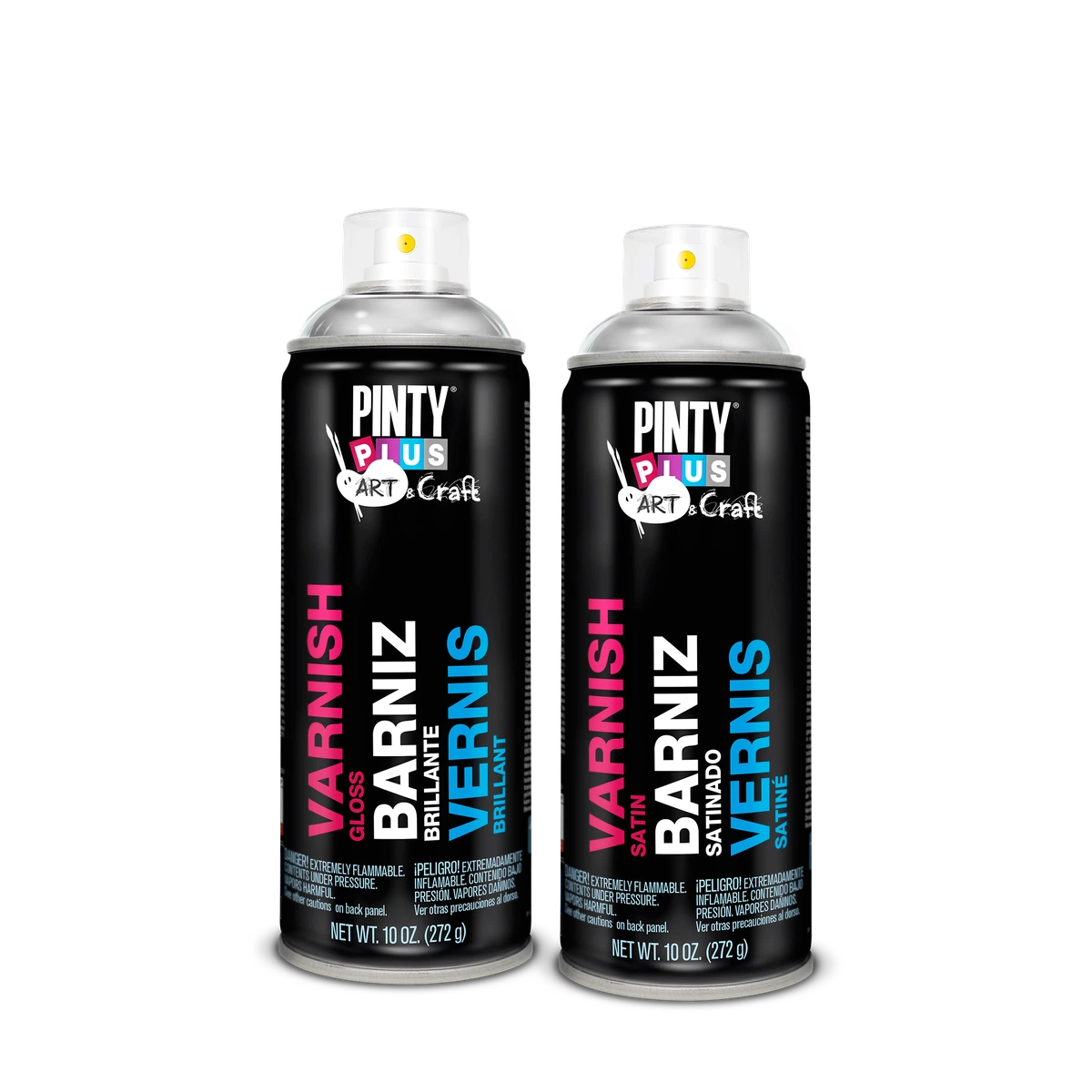
Which of our varnishes suits semi-outdoor items?
Acrylic Varnish Spray, for three reasons. Pintyplus says it waterproofs the surfaces it lists, it lists materials that often sit outside the house, such as stone, ceramic, wicker, cork and wood, and Pintyplus doesn’t limit it to indoor use. It comes in gloss, satin and matte, dries in about 30 minutes and covers about 2 m² per can.
Pintyplus Water-Based Varnish Spray is described by Pintyplus as a formulation suitable for indoors, so keep it for indoor pieces. The oil painting varnish is made for paintings only.
What do Pakistani sun, heat and monsoon do to painted items?
Sun
Strong summer sun fades many paint colours over time, varnished or not. Reds and bright colours usually show it first. Shade is the best protection.
Heat
Items on a south-facing balcony or a roof can get very hot to touch. Heat stresses both paint and varnish, and a hot surface is also the wrong time to spray.
Monsoon humidity and rain
Damp gets into unsealed plaster, clay, cardboard and bare wood. A clear coat slows this down. Spraying on a humid day, though, can leave a cloudy haze in the varnish itself.
Dust and coastal air
Dust settles on everything outdoors, and a sealed surface is easier to wipe. In Karachi and other coastal areas, salty air attacks metal, which needs its own protection.
How do you varnish for the best result outdoors?
1. Prepare the item
Remove loose or flaking paint, wash off dirt and let the item dry completely. The surface must be clean, dry and free of any contaminants. After rain, give porous items like clay and wood a day or two to dry out.
2. Pick the right time
Spray on a dry day, in the shade, early in the morning or in the evening. The surface should be cool to the touch. Avoid wind and dust storms.
3. Shake and spray thin coats
Shake the can for about 30 seconds. Hold it 25 to 30 cm away and apply thin, quick layers, first horizontally and then vertically. Two thin coats are better than one heavy one. Let each coat dry, about 30 minutes, longer when humid.
4. Let it dry before it goes back out
Keep the item indoors or under cover until the varnish is fully dry, and don’t put it back in the rain the same day.
5. Check it each season
Before and after the monsoon, look for dull, worn or cloudy areas and give them a light fresh coat on a dry day.
Our guide to common acrylic varnish spray mistakes explains haze, runs and dust in more detail.
What about gates, grills and outdoor metal?
A clear craft varnish isn’t the right product for metal that sits in full weather. For gates, railings, garden stands and outdoor lamps, Pintyplus Wrought Iron / Forge Effect Spray Paint is a metal finish that Pintyplus says has excellent durability outdoors. For rust protection on steel, see our metal and corrosion products.
Common questions
Can I varnish a painted flower pot that stays outside?
Yes, and it will help, but keep it in the shade and expect to touch it up. Varnish the outside only, not the inside where soil and water sit.
Does varnish stop colours fading in the sun?
Pintyplus makes no UV claim for these varnishes, so assume it doesn’t. Shade is the protection.
Can I varnish outdoor wooden furniture?
Only pieces under a roof, and check them every season. None of our varnishes is sold as an exterior wood finish.
Where to buy in Lahore and across Pakistan
Pintyplus Acrylic Varnish Spray is ₨ 3,090 for a 400 ml can, in gloss, satin or matte. You can pick it up from our shop at Sohail Centre, LG 8, Dil Muhammad Road, Garhi Shahu, Lahore, Monday to Saturday from 8:30 AM to 10:00 PM, or order online for delivery anywhere in Pakistan.
Not sure which one you need? Send a photo on WhatsApp to 0321 999 3919 and we’ll tell you.
More on varnishes: Varnishes & Protective Finishes