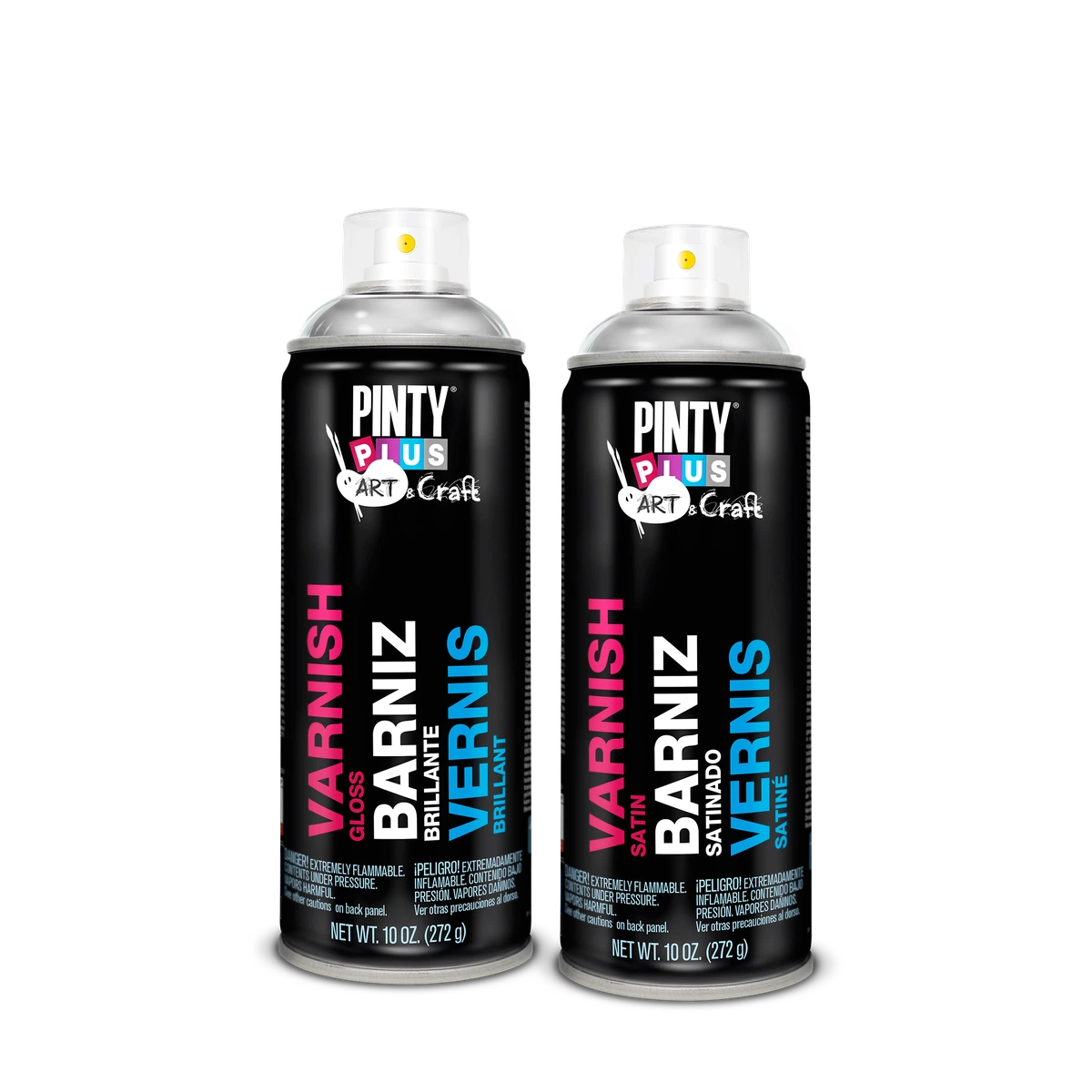
To varnish an acrylic painting with spray, wait until the paint is completely dry, dust the surface, then spray two thin coats of clear varnish from 25 to 30 cm, first horizontally and then vertically, in a still, well-ventilated room out of direct sun. Let each coat dry before the next. Pintyplus Acrylic Varnish Spray dries in about 30 minutes, doesn’t yellow, and comes in gloss, satin and matte. Canvas isn’t named on its surface list, so test on a painted scrap or the edge first. Here is the full method, including how to keep dust off in Pakistani conditions.
The short version
- Varnish: Pintyplus Acrylic Varnish Spray, gloss, satin or matte
- Wait: until the paint is fully dry, longer for thick paint
- Distance: 25 to 30 cm, thin quick passes, two coats
- Between coats: about 30 minutes drying, longer when humid
- Dust: fan off, still room, no sweeping nearby
Why varnish an acrylic painting at all?
A coat of varnish protects the paint surface from dust, handling and moisture, and it evens out the sheen. Acrylic paintings often dry with patches that are shinier or duller than others, especially where colours were mixed with different amounts of water or medium. A single varnish evens that out and makes the colours look richer. It also makes the painting easier to dust later.
When is the painting ready to varnish?
Only when the paint is dry all the way through. Pintyplus doesn’t give a waiting time for paintings, so go by the paint. Thin layers of acrylic are usually dry within a day. Thick, textured paint takes several days. If the thickest areas still feel soft or cool to the touch, wait longer. In monsoon humidity, allow extra time.
Before you varnish, photograph or scan the painting in good light. It is easier to get a clean image before a shiny coat goes on.
Which finish should you choose?
Satin and matte are popular for paintings because exhibition lights, ring lights and phone flashes reflect off gloss. Gloss gives the deepest, richest colour. If you are unsure, test all three on a painted scrap. For oil paintings, use Pintyplus Varnish Spray for Oil Paintings instead.
How do you varnish it, step by step?
1. Set up a clean space
Choose a well-ventilated room or a covered verandah that is out of the wind and direct sun. Switch off the ceiling fan, close doors to dusty areas, and don’t sweep for a while before or after. Pintyplus says to apply it in ventilated areas and never on anything connected to the mains.
2. Dust the painting
Wipe the surface gently with a soft, dry, lint-free cloth. Check the edges and corners, where dust collects.
3. Lay it down or prop it up
Laying the painting flat on a clean table helps prevent runs. If you prop it upright, keep the coats especially thin.
4. Shake and test
Shake the can for about 30 seconds. Spray a test burst onto scrap card to check the nozzle and the spray pattern, then test on a painted scrap or the edge of the canvas.
5. Spray the first thin coat
Hold the can 25 to 30 cm from the canvas and spray thin, quick layers, first horizontally and then vertically. Start each pass just off the edge of the canvas and finish off the other side, so the can is never paused over the painting. Don’t forget painted canvas edges.
6. Let it dry and check
Leave it for about 30 minutes, longer on a humid day. Then look across the painting at a low angle towards a window. Dull patches show where the coat is thin.
7. Spray the second coat
Apply a second thin coat the same way. Pintyplus recommends two thin layers instead of one thick one.
8. Leave it to dry undisturbed
Leave the painting flat, away from dust and hands, for the rest of the day before framing or wrapping it. Then turn the can upside down and spray until only gas comes out to clear the nozzle.
How do you keep dust out of the varnish?
Dust is the most common problem in Lahore and other dusty cities. Varnish on the calmest part of the day, with the windows open for air but screened if possible. Avoid days with dust storms or strong wind, keep pets and children out of the room, and don’t move the painting until it is dry. If a speck lands, leave it. Once dry, it can be gently rubbed flat with very fine sandpaper and given a light coat.
For more on haze, runs and dust, see our guide to common acrylic varnish spray mistakes.
Common questions
Can I use a water-based varnish instead?
Pintyplus Water-Based Varnish Spray is low odour and made for indoor work. It takes longer to dry: 1 hour on the surface and 24 hours in total. Test it first, as canvas isn’t named on its list either.
Will the varnish turn yellow?
Pintyplus states that its Acrylic Varnish does not yellow.
How many paintings will one can do?
One can covers about 2 m², which is enough for two coats on a few medium-sized canvases.
Does varnish protect against sunlight?
Pintyplus makes no UV claim, so hang paintings away from direct sun.
Where to buy in Lahore and across Pakistan
Pintyplus Acrylic Varnish Spray is ₨ 3,090 for a 400 ml can, in gloss, satin or matte. You can pick it up from our shop at Sohail Centre, LG 8, Dil Muhammad Road, Garhi Shahu, Lahore, Monday to Saturday from 8:30 AM to 10:00 PM, or order online for delivery anywhere in Pakistan.
Not sure which one you need? Send a photo on WhatsApp to 0321 999 3919 and we’ll tell you.
More on varnishes: Varnishes & Protective Finishes