Shiny paint is not just one category. Walk through the finishing aisle of a hardware shop and you will spot a few different names promising a metallic or reflective look. Two of the most commonly confused are mirror effect paint and chrome paint. They can look similar in photos, but they behave quite differently once applied.
If you are trying to decide which one suits your project, this comparison breaks down the real differences between them, in plain terms.
What Chrome Paint Actually Is
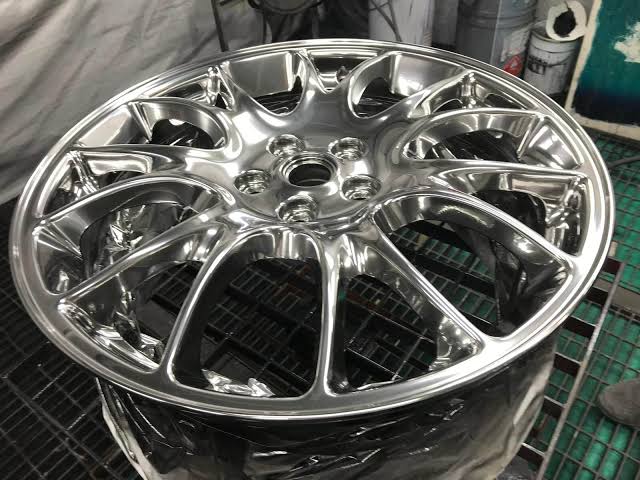
Chrome paint is designed to imitate the look of actual chrome plating, that hard, bright, silvery finish you see on car bumpers, motorcycle parts, and certain fittings. It usually has a slightly metallic, almost liquid-metal appearance rather than a true reflective surface.
It tends to have a harder, more industrial finish once dry, and is often chosen for projects that want that polished, automotive-style shine rather than an actual mirror-like reflection.
What Mirror Effect Paint Aims For
Mirror effect paint, on the other hand, is built specifically to reflect. The goal is not just shine, but a surface smooth and reflective enough to show a blurry image of whatever is placed in front of it, much like an actual mirror.
This makes it better suited for décor pieces where the reflective quality itself is the main attraction, such as trays, small furniture, or craft items, rather than pieces trying to mimic a metallic, industrial look.
Comparing the Final Look
Chrome paint tends to give a slightly duller, more uniform metallic sheen. It looks polished and clean, but it does not usually reflect a clear image the way a mirror does. It reads more as ‘shiny metal’ than ‘reflective glass.’
Mirror effect paint, when applied well, gives a noticeably different result. Held up to light, it can show a soft, blurred reflection, which is the whole point of choosing it in the first place. The two finishes can look somewhat similar from a distance, but up close, the difference is fairly obvious.
Application Differences
Chrome paint is often more forgiving during application. Since it is aiming for a metallic sheen rather than a true reflection, small unevenness in coating is less noticeable in the final result.
Mirror effect paint is more demanding. Because the goal is an actual reflective surface, every uneven patch, drip, or missed spot tends to show up clearly once it dries. This means it usually needs more careful, patient application with thin, even coats.
Where Each One Fits Best
Chrome paint suits projects where a hard, industrial, metallic look is the goal, such as certain automotive touch-ups, hardware fittings, or décor pieces meant to look like polished steel or silver metal.
Mirror effect paint suits projects where reflection itself is the point, such as decorative trays, small furniture tops, glass jars, and craft pieces meant to catch and bounce light around a room.
Durability Considerations
Chrome paint, given its more industrial-leaning formula, often holds up a bit better to handling and daily wear on functional items, like small hardware pieces or fittings that get touched regularly by hand throughout the day.
Mirror effect paint, because it prioritises a delicate reflective surface, can be a little more prone to scratches if not handled carefully or sealed properly. This is worth keeping in mind for pieces that will see frequent use rather than sitting mostly for display.
Making the Right Choice for Your Project
Think about what you actually want the final piece to do. If you want something that looks like polished metal, chrome paint is likely the better fit. If you want an object that genuinely reflects light and shape, closer to a real mirror, then mirror effect paint is the one to reach for.
It also helps to consider how the piece will be used day to day. Décor items meant mainly for display can afford a more delicate reflective finish, while items that get handled often may benefit from a tougher, more forgiving metallic coat.
If you are still unsure, buying a small can of each and testing them on identical scrap pieces, like two spare wooden blocks, is a simple way to see the difference for yourself before committing to a larger project.
Cost and Effort Compared
In terms of effort, chrome paint generally takes less time and fewer coats to reach its final look, since the finish is more forgiving of small mistakes along the way. This makes it a quicker option for people who want a metallic look without spending an entire weekend on the project.
Mirror effect paint usually asks for more time and more careful layering. The payoff is a more striking, unusual finish, but it does mean setting aside a bit more patience compared to a quicker chrome paint job.
Can You Combine the Two?
Some creative projects actually use both finishes together, though on different parts of the same piece. For example, a lamp base might get a chrome finish for a hard-wearing, metallic body, while a decorative panel or accent on the same piece gets the mirror effect treatment for a reflective highlight.
This kind of combination works best when the two areas are clearly separated, either by shape or by a masked line, so the different textures do not blend into each other and look muddled. It takes a bit more planning, but it can result in a genuinely unique piece that plays with both types of shine.
Final Thoughts
Both finishes have their place, and neither one is simply better than the other. It really comes down to the effect you are after. Chrome paint leans metallic and hard-wearing, while mirror effect paint leans reflective and eye-catching. Once you know which quality matters more for your specific project, choosing between the two becomes a much easier decision. Take a moment to picture the finished piece sitting in its final spot at home, and the right choice usually becomes clear on its own.