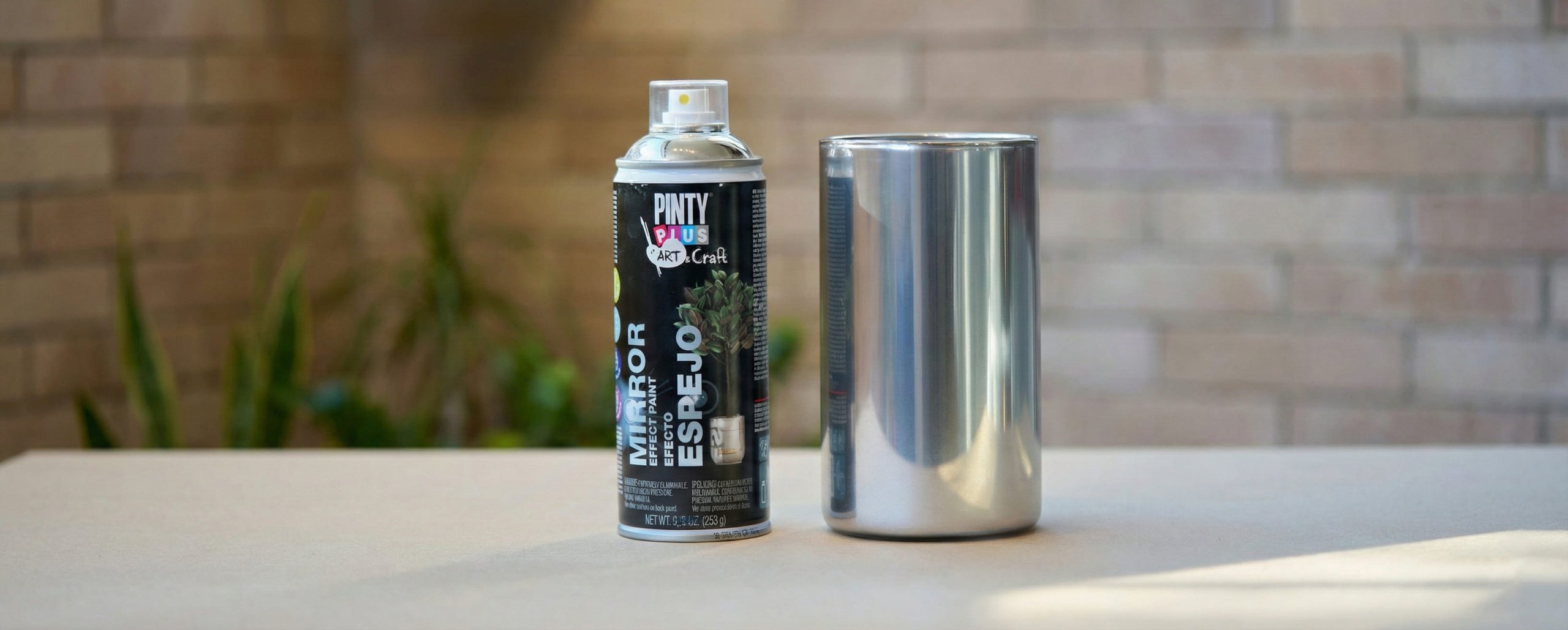
Glass is already smooth, so it seems like the easiest surface to work with. In some ways it is, but it also comes with its own quirks. Mirror effect paint for glass behaves a little differently than it does on wood or metal, and knowing that upfront saves a lot of frustration.
Whether you are trying to turn an old jam jar into a candle holder or give a plain window pane a decorative touch, this blog covers what actually works on glass and what to avoid.
Why Glass Reacts Differently
Glass has almost no texture for paint to grip onto. Wood has grain, and metal often has tiny surface imperfections, but glass is naturally slick. This means the paint needs a very clean, completely grease-free surface to bond properly, or it will slide, pool, or peel later.
On the plus side, because glass is already so smooth, it can actually produce one of the clearest mirror effects once the paint is applied correctly. The flatness of the glass works in your favour, as long as the paint has something to hold onto.
Cleaning Glass Properly Before You Start
A quick rinse is not enough. Wash the glass item with soap and water first to remove any oily residue, especially if it once held food, oil, or lotion. Fingerprints alone can leave enough oil to cause uneven patches later.
After washing, wipe it down with a cloth dipped in a bit of rubbing alcohol or vinegar. This step removes any remaining film that plain soap and water might miss. Let it dry completely, ideally in a dust-free spot, before moving on.
Avoid touching the areas you plan to paint after cleaning. Even clean hands leave a light layer of oil, which can be enough to affect how the paint sits on the glass.
Painting the Inside vs the Outside
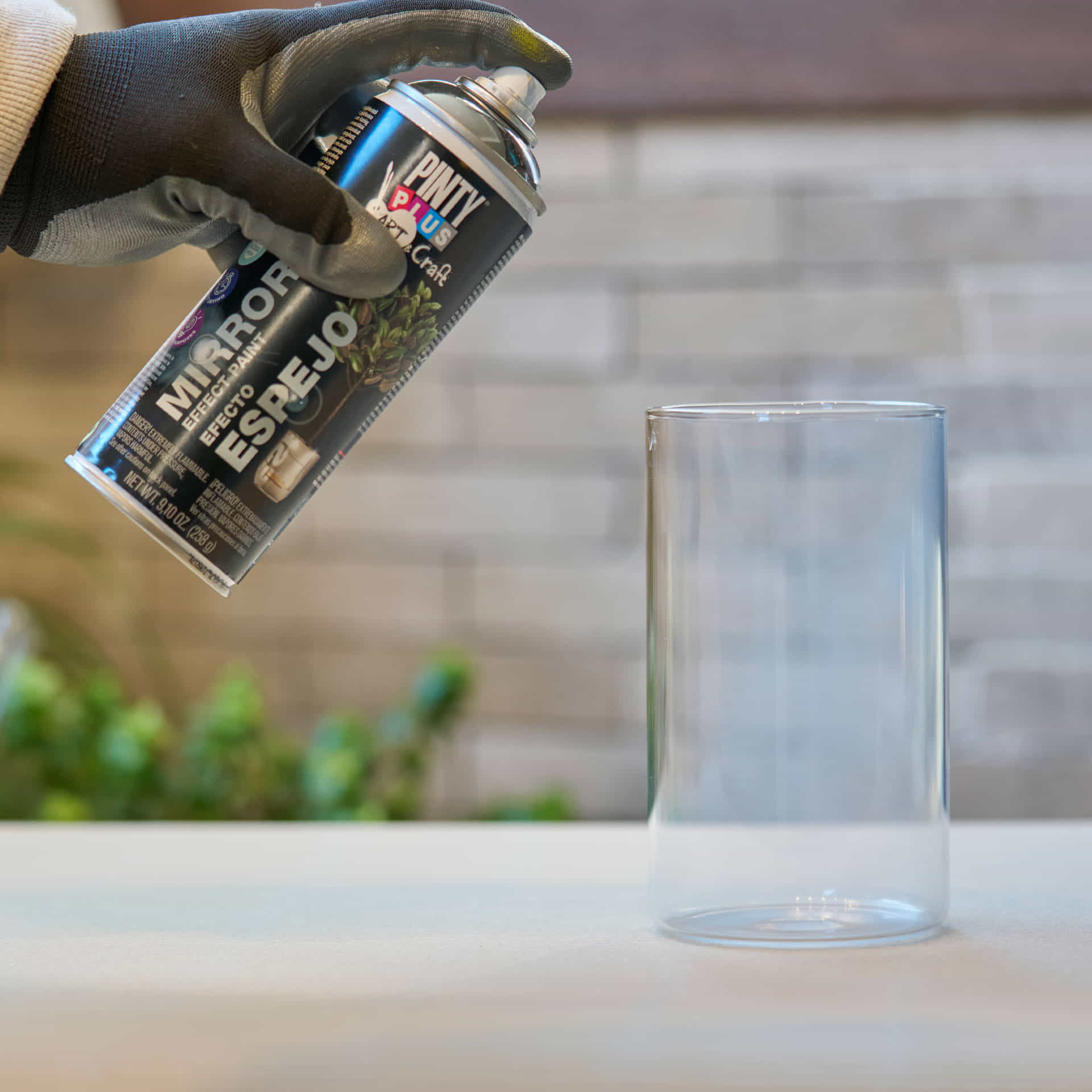
A popular technique for jars and bottles is spraying the inside rather than the outside. This protects the reflective coat from scratches and daily handling, since the glass itself acts as a clear shield over the paint.
To do this, pour a small amount of paint into the container, tilt and rotate it slowly so the paint coats the inner walls evenly, then pour out the excess. This method takes a bit of practice to get an even coat, but it gives a durable, long-lasting shine that holds up well over time.
For flat glass surfaces, like a picture frame glass or a small pane, spraying the outside in thin, even layers works better, since there is no way to tilt and coat the inside evenly.
Getting an Even Coat on Curved Glass
Curved surfaces, like bottles and jars, are trickier than flat ones. Rotate the item slowly and steadily while spraying, rather than trying to coat the whole surface in one pass. Working in small sections and overlapping slightly gives a more even result.
If you are using the inside-pour method, work slowly. Pouring too much paint in at once and swirling it quickly often causes it to pool unevenly at the bottom. A gentle, steady tilt in different directions spreads it more evenly across the inner surface.
Common Problems and How to Avoid Them
Streaking is the most common complaint. It usually happens when the glass was not perfectly clean, or the paint was applied too thickly in one area. Thin, patient layers almost always solve this.
Cloudiness can happen if the glass is painted in a humid room. Moisture in the air interferes with how the paint settles, leaving a foggy look instead of a clear reflection. Choosing a dry day, or working in an air-conditioned room during humid months, helps a lot.
Peeling later on is often a sign that the surface was not cleaned properly before painting, or that the item was handled too soon after the final coat. Giving the piece a full day or two to cure before use prevents most of these issues.
Ideas Worth Trying on Glass
Old glass jars can become elegant candle holders or small vases with just a coat or two on the inside. Plain glass bottles, once painted, make simple but striking table centrepieces, especially for small gatherings or Eid décor.
Picture frame glass, painted along the edges only, can give an ordinary frame a subtle reflective border without covering the photo itself. It is a small detail, but it changes the whole look of the frame.
Sealing and Protecting the Finish
Once the mirror coat on glass has fully cured, a light protective sealant can extend how long it stays looking sharp, especially on outer surfaces that get handled often. This is less necessary if you painted the inside of a jar or bottle, since the glass itself already shields the paint from scratches and fingerprints.
If the glass item will be used outdoors, such as on a balcony table or in a covered courtyard, keep it away from direct rain. Water sitting on an unsealed edge for long periods can eventually creep under the paint and cause it to lift.
Cleaning Painted Glass Afterward
Once your project is finished, cleaning it is simple as long as you are gentle. A soft, dry or slightly damp cloth is enough for regular dusting. Avoid glass cleaners with strong ammonia content directly on the painted areas, since they can dull the shine over time.
For jars and bottles painted on the inside, there is very little maintenance needed at all. Just wipe the outer glass surface as you normally would, and the reflective layer inside stays protected and untouched.
Final Thoughts
Glass rewards careful preparation more than any other surface. Since it has nothing for the paint to grip onto naturally, cleaning and patience matter even more here than usual. Once you get the hang of it, though, glass tends to give some of the cleanest, most convincing mirror-like results of any material you can work with at home.