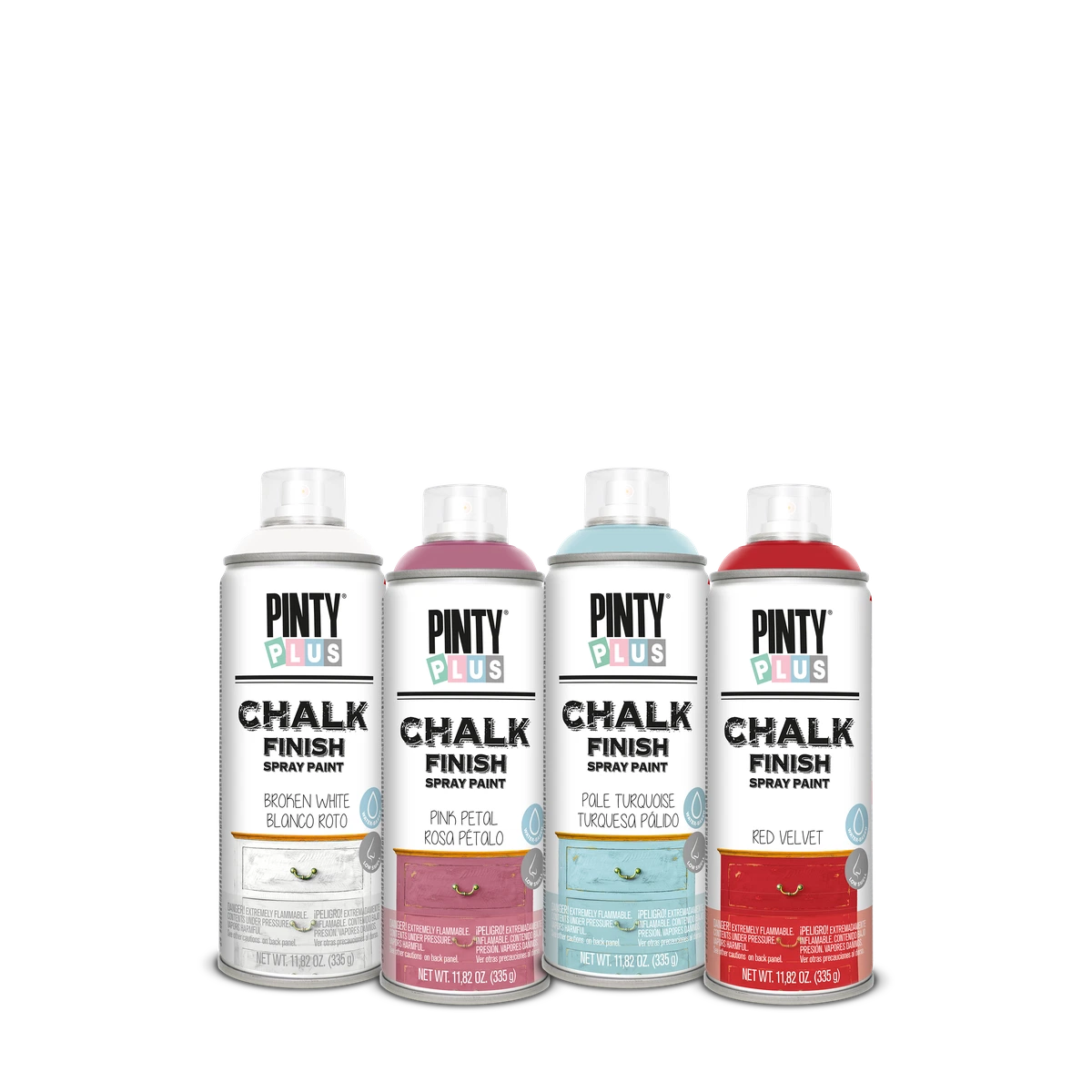
Chalk spray paint gives wooden furniture a soft, ultra-matte finish that hides the shine of old polish and looks hand-finished. Pintyplus Chalk Finish is water-based with a high chalk content and very little smell, so you can use it on a side table, a dressing table or a set of chairs without stripping them first. The finish depends on three things: a clean, dry, sound surface, several thin coats sprayed from 25 to 30 cm, and a sealer if the piece will be used every day. This guide covers MDF, sheesham and laminate furniture, start to finish.
The short version
- Product: Pintyplus Chalk Finish Spray Paint, 400 ml, 19 colours
- Finish: velvety ultra-matte, water-based, low odour
- Coverage: about 2 m² per can
- Timing: touch dry in 10 to 20 minutes, dry in 1 hour, recoat after 1 hour
- Sealing: finish with Chalk Wax or Chalk Varnish if it will be handled daily
What does chalk spray paint actually give you?
A flat, velvety surface with no shine at all. Because it reflects so little light, small dents and uneven grain show less than they would under a gloss paint. It is the look people want for vintage and traditional furniture, and it also suits plain modern pieces in soft colours.
Pintyplus lists wood, melamine, canvas, iron, plastic, cardboard, glass and expanded polystyrene as surfaces for Chalk Finish, and describes it as ideal for wooden furniture and objects. Because the colours can be layered and then sanded back, it is also the base for distressed finishes.
Which furniture suits it: MDF, sheesham or laminate?
MDF
Most flat-pack and locally made cabinets, side tables and wardrobes are MDF. The faces are smooth and take chalk paint well. Cut edges are a different matter: raw MDF edges are porous and soak up paint, so they look dull and patchy after the first coat. Seal them first with Pintyplus Chalk Primer Spray, which Pintyplus says seals porous surfaces and improves anchoring.
Sheesham and other solid wood
Old sheesham beds, chairs and tables usually carry a glossy polish or lacquer. Chalk paint grips a matte surface far better than a slick one, so scuff the gloss with fine sandpaper until it looks dull all over. You are breaking the shine, not stripping the wood. Sand or scrape off anything that is peeling or flaking.
Laminate, melamine and Formica
Melamine is on the Chalk Finish surface list, and the Chalk Primer lists melamine and Formica for better anchoring. For decorative pieces you can paint straight onto clean melamine. For doors, drawer fronts and tops that are handled every day, prime first. Our guide to when chalk paint needs a primer goes through each surface.
What do you need before you start?
- Enough cans. One can covers about 2 m² per coat, and you will need at least two thin coats. A bedside table might take one can, a wardrobe several.
- A mild detergent or degreaser and clean cloths.
- Fine sandpaper for scuffing gloss and smoothing between coats.
- Masking tape and old newspaper or plastic sheet.
- A screwdriver to take off handles, knobs and hinges.
- A ventilated, sheltered place to spray, out of wind and dust.
How do you spray chalk paint on furniture, step by step?
1. Strip off the hardware
Take off handles, knobs and hinges rather than masking them. Keep screws in a labelled bag.
2. Clean properly
Pintyplus says the surface must be clean, dry and free of dirt. Kitchen and dining furniture often has a film of grease you cannot see, so wash with a mild degreaser, wipe with clean water and let it dry completely. Never paint over a damp surface.
3. Sand where needed
Scuff glossy polish, sand out rough patches and fill deep dents with wood filler. Wipe off all sanding dust.
4. Prime if the surface needs it
Raw MDF edges, bare porous wood, metal and daily-use laminate get a coat of Chalk Primer first. It dries in 1 hour and is recoated either before 1 hour or after 24 hours.
5. Shake and spray thin coats
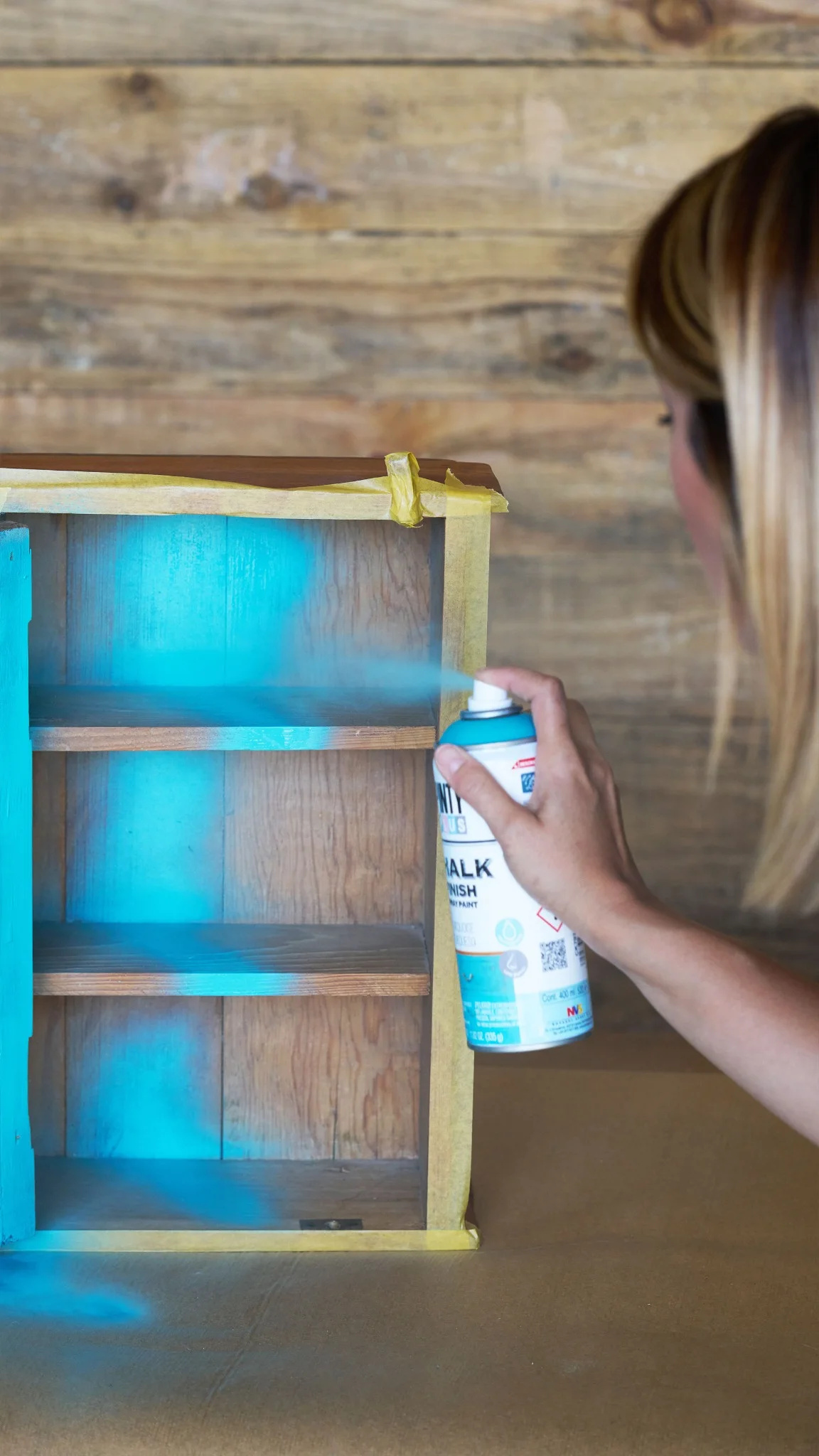
Shake the can for one minute after you hear the mixing balls. Hold it 25 to 30 cm from the surface and spray thin, fast passes, first horizontally and then vertically. Keep the can moving and start each pass just off the edge of the piece. The first coat should look light and uneven. That is normal.
6. Build the colour
Leave 1 hour between coats of the same paint. If you are layering a second colour on top, Pintyplus says to wait 24 hours. Several thin coats are better than one heavy one, which can sag. A light colour over dark wood usually needs an extra coat. Once the last coat is dry, wipe off any loose chalk dust with a soft dry cloth.
7. Clear the nozzle
Turn the can upside down and spray until only gas comes out, so the nozzle doesn’t clog before the next coat.
Do you need to seal chalk paint?
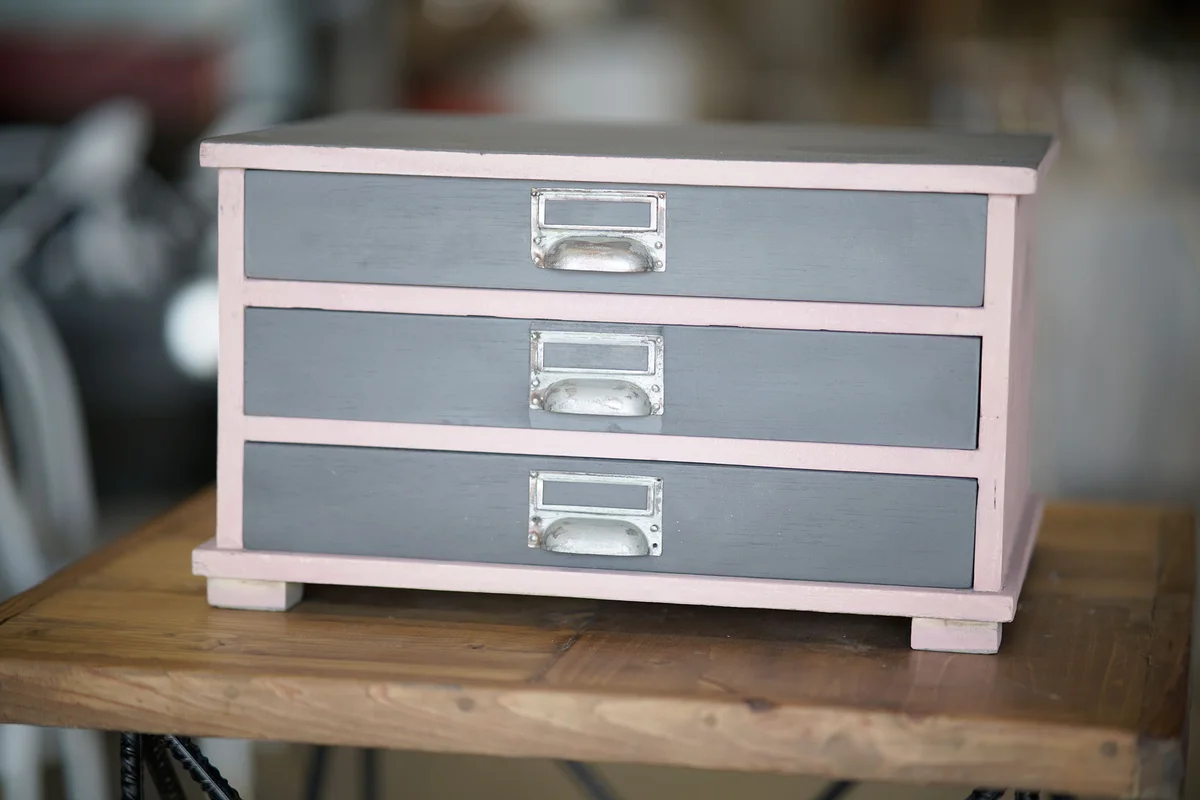
For a photo frame or a decorative box, no. For anything that is touched, wiped or used every day, yes. Chalk paint is matte and open, so fingerprints, dirt and spills mark it.
- Pintyplus Chalk Wax Spray gives a silky, soft feel. It can go over fresh Chalk Finish after 1 hour. You spray it, spread it with a sponge or cotton cloth and polish. It is a maintenance finish that needs renewing after some months.
- Pintyplus Chalk Varnish Spray is a clear matte, water-based varnish that protects against dirt and helps waterproof the paint. Apply it at least 24 hours after the last coat of chalk paint.
Choose one before you start. Wax suits decorative pieces. Varnish suits tables, chairs, wardrobes and anything in a kitchen.
Does Pakistani weather change the method?
Yes, in three ways. In monsoon humidity, water-based paint stays soft for longer, so give each coat more time than the minimum before the next and wait a full day before sealing. In summer, don’t spray in direct sun or onto furniture that has been sitting in a hot room all afternoon, because the paint dries before it levels out. Spray early in the morning or in the evening. And dust sticks to wet paint, so choose a still room or a sheltered corner of the verandah, wipe the piece just before spraying, and don’t sweep nearby while it dries.
Common questions
Do I have to sand before chalk paint?
Only glossy, rough or flaking surfaces. A clean, sound matte surface can be painted after washing and drying.
How many coats will I need?
At least two thin coats for even colour. A light colour over dark wood usually needs a third.
Can I use it on a dining table?
Yes, but seal it with Chalk Varnish, which protects against dirt and helps waterproof the paint. Wax alone will mark with daily use.
Why does my finish feel dusty?
That is loose chalk on the surface. Pintyplus says to wipe it off once the paint is dry.
Where to buy in Lahore and across Pakistan
Pintyplus Chalk Finish Spray Paint is ₨ 3,340 for a 400 ml can, in all 19 colours. You can pick it up from our shop at Sohail Centre, LG 8, Dil Muhammad Road, Garhi Shahu, Lahore, Monday to Saturday from 8:30 AM to 10:00 PM, or order online for delivery anywhere in Pakistan.
Not sure which one you need? Send a photo on WhatsApp to 0321 999 3919 and we’ll tell you.
More on chalk finishes: Furniture & Chalk Finishes