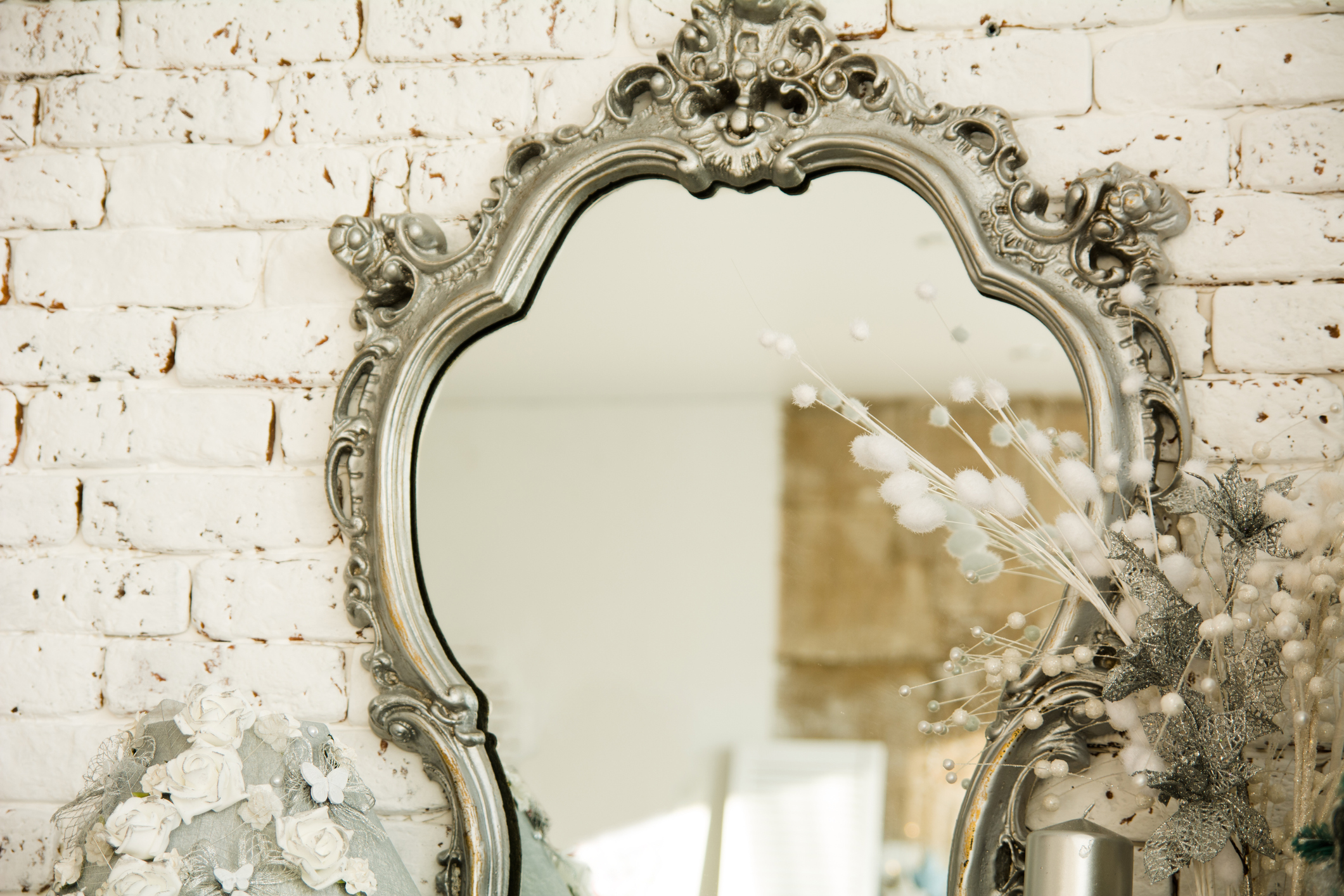
Old metal furniture has a habit of sitting untouched in storerooms. A rusted stool, a dull lamp stand, or a scratched-up trunk often gets pushed aside simply because it looks tired. Mirror coating for metal is one of the more satisfying ways to bring these pieces back into use, without spending money on something new.
Metal behaves differently from wood or glass when it comes to this kind of finish. This blog covers what makes metal unique, and how to get a clean, lasting result on it.
Why Metal Needs Extra Prep
Metal often comes with baggage that other surfaces do not, mainly rust, old paint, or a layer of grease built up over years of use. Skipping the cleanup stage and painting directly over these issues almost always leads to a poor result, since the reflective coat cannot bond properly over rust or flaking paint.
Humidity is also a bigger concern with metal than with wood, since untreated metal can start rusting again fairly quickly if moisture gets trapped underneath a fresh coat of paint. This makes proper prep even more important than usual.
Dealing With Rust First
If there is visible rust, it needs to be removed before anything else happens. A wire brush or sandpaper can handle light surface rust. For more stubborn spots, a rust-removing solution followed by thorough rinsing and drying works better.
Once the rust is gone, check the metal for any remaining rough patches. These should be sanded smooth, since any texture left behind will show clearly once the reflective coat goes on top.
Cleaning and Priming
After rust removal, clean the surface thoroughly to remove dust and any grease left from handling. A cloth dampened with a mild cleaning solution works well, followed by a completely dry cloth to remove any moisture.
A metal primer is usually a good idea before applying the reflective coat. It helps the paint adhere better and adds a layer of protection against future rust, especially for pieces that will be used outdoors or in humid areas of the house, like near a bathroom or an open courtyard.
Applying the Mirror Coat
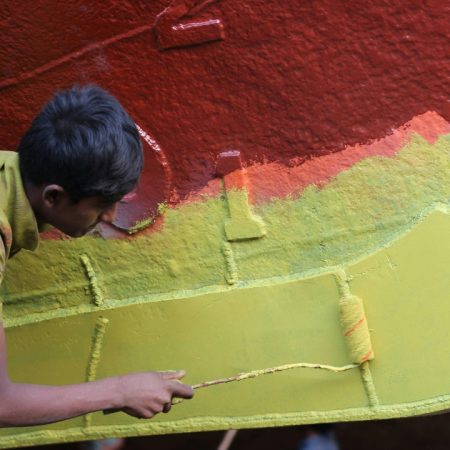
Once the primer has dried completely, the process becomes similar to painting any other surface. Apply the reflective paint in thin, even coats, holding the can at a steady distance and moving in smooth, sweeping motions.
Metal surfaces, especially flat ones like trays or panels, tend to show brush or spray unevenness quite clearly, so take your time between coats. Curved or detailed metal pieces, like ornate lamp stands, need a bit more patience to make sure every angle gets even coverage.
Let each coat dry fully before adding the next. Metal can sometimes feel dry to the touch faster than other materials, but the deeper layers still need proper time to cure before handling.
Common Metal Pieces People Redo
Old lamp bases are a favourite project, since they are usually a single, fairly simple shape that is easy to coat evenly. Once done, they can completely change the look of a room without needing a new lampshade.
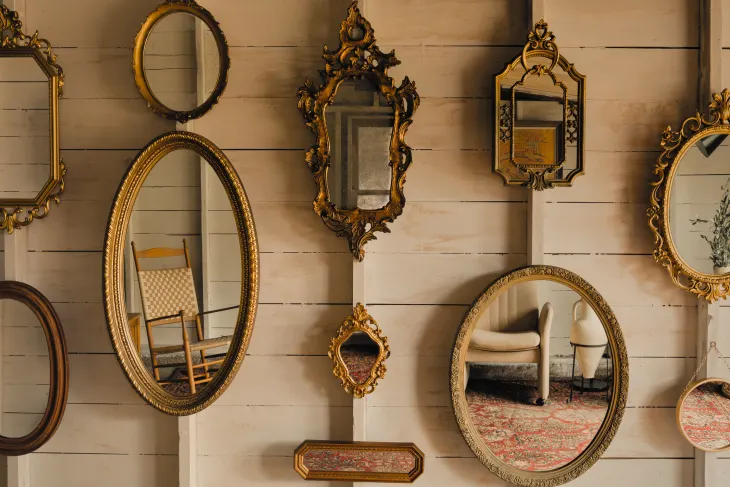
Metal trunks, once common in many Pakistani households for storing clothes or bedding, make excellent statement pieces once cleaned up and given a reflective finish. They work well as coffee tables or decorative storage in a living room.
Small metal frames, candle stands, and decorative bowls are also popular choices, since their size makes them manageable projects that do not require a large workspace.
Keeping the Finish Looking Good Over Time
Once cured, a light wipe with a dry or slightly damp cloth is usually enough to keep the piece looking sharp. Avoid abrasive scrubbing pads, since metal surfaces with a reflective coat can scratch more easily than people expect.
For pieces kept outdoors or in humid spots, checking occasionally for any signs of rust creeping back in around the edges is a good habit. Catching it early and touching up that small area is much easier than redoing the whole piece later.
If a small chip or scratch does appear after months of use, it does not usually mean starting over. A light sanding of just that spot, followed by a matching touch-up coat, can blend back in fairly well if done carefully.
Working With Detailed or Ornate Metal
Some metal pieces, especially older decorative items, have raised patterns, engravings, or curved handles. These details make the piece attractive but also more challenging to coat evenly, since paint tends to pool slightly in grooves and corners.
Spraying from multiple angles helps here, rather than relying on a single straight pass. Slightly tilting the object between coats ensures paint reaches into recessed areas without building up too thickly in any one spot.
For very intricate pieces, it can help to do an extra thin coat specifically aimed at corners and grooves, followed by a lighter overall pass to even everything out. It takes a little longer, but the final result looks far more consistent.
Combining Metal With Other Materials
Many household items mix metal with wood, glass, or fabric, such as a lamp with a metal base and a fabric shade, or a table with a metal frame and a wooden top. In these cases, only the metal parts usually need the reflective coating, while the other materials are left as they are or treated separately.
Careful masking with tape around the edges where metal meets another material keeps the line clean and prevents paint from bleeding onto surfaces that were not meant to be coated. Removing the tape slowly, right after the final coat is touch-dry rather than fully cured, usually gives the crispest edge.
Final Thoughts
Metal takes a bit more patience upfront compared to other materials, mainly because of rust and old finishes that need clearing away first. But once that groundwork is done, metal holds a reflective coat quite well and often ends up looking sturdier and more polished than pieces made from softer materials. It is a satisfying way to rescue old furniture that would otherwise sit forgotten in storage.