

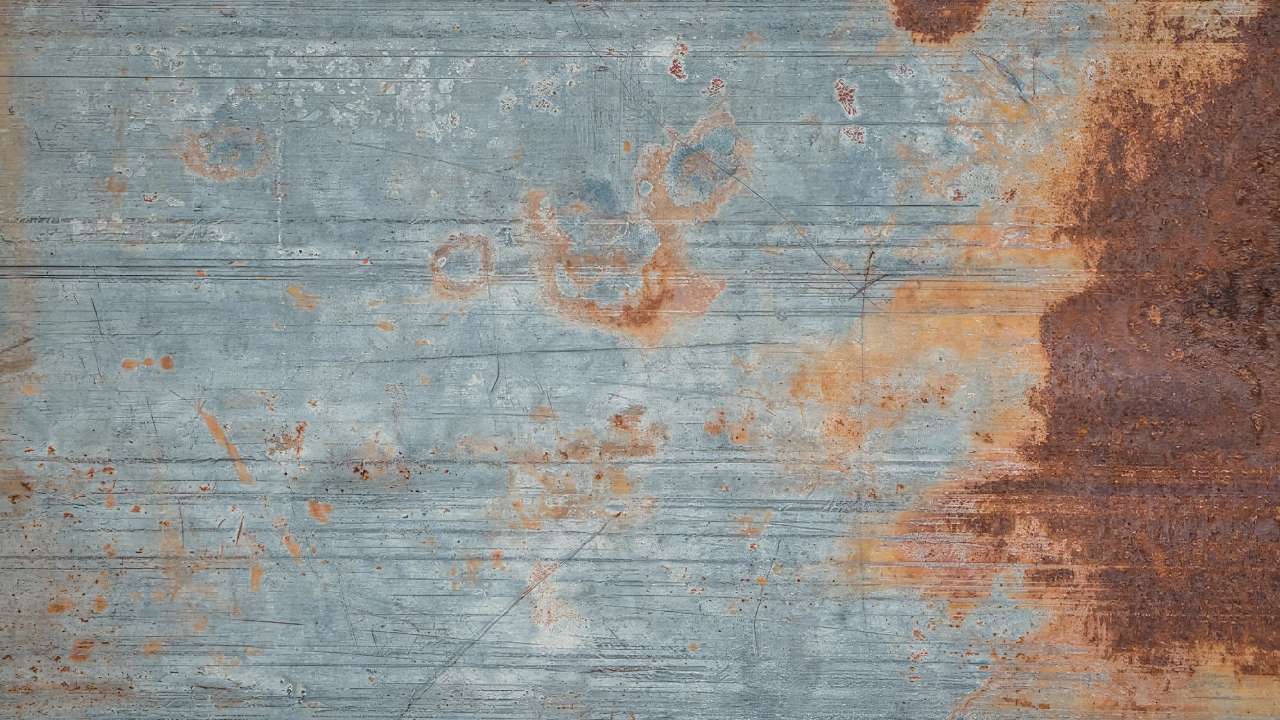
Steel corrodes. That’s not news to anyone who has worked in construction, fabrication, or industrial maintenance in Pakistan. What surprises most people is how fast it happens, and how quietly. You don’t notice it until a weld seam turns orange, a structural joint weakens, or a whole batch of fabricated steel becomes unusable before it even reaches site. The damage is often done long before anyone raises an alarm.
The real question is not whether to protect your steel. The real question is what kind of protection actually works under Pakistan’s conditions. And that’s where the conversation about cathodic protection and zinc-rich coatings becomes very important.
Why Ordinary Anti-Rust Paint Fails Under Actual Site Conditions
Most people in Pakistan use standard red oxide primer or ordinary anti-rust paint on steel. It looks like protection. It feels like protection. But it isn’t, not really.
Standard barrier coatings work by forming a film that blocks air and moisture from reaching the steel. This sounds logical, but the problem is real-world surfaces are never perfectly sealed. Scratches happen during handling, transport, and installation. Cut edges are left bare. Weld seams create heat-affected zones where coating adhesion is weaker. Drilled holes expose raw steel. And once a single point of the coating is compromised, moisture gets in underneath and corrosion begins traveling under the film, often without showing on the surface until it’s too late.
On a construction site in Lahore or Karachi in summer, with humidity, industrial fallout, dust, and constant physical handling, even a freshly applied barrier coat can fail within months. The barrier approach gives you protection only as long as the film stays perfectly intact. In Pakistan’s working conditions, that is almost never the case.
What Cathodic Protection Actually Means
Cathodic protection is a completely different idea. Instead of just blocking corrosion, it uses zinc’s natural electrochemical properties to sacrifice itself so that the steel underneath stays intact.
Zinc is more electrochemically active than steel. When both are in contact and exposed to moisture and oxygen, zinc corrodes first. This is not a flaw. It’s the mechanism. The zinc acts as the sacrificial metal, meaning it takes the corrosion so the steel doesn’t have to. This is why galvanized steel lasts so much longer than bare or standard-coated steel. The zinc is doing the work even after the film is scratched or damaged.
This is called galvanic or cathodic protection, and it is the same principle used in hot-dip galvanizing, which is the gold standard for steel corrosion protection. The difference with cold galvanizing is that you can apply this protection in the field, at room temperature, using a ready-to-use coating without needing a factory tank or industrial process.

Where ZRC Cold Galvanizing Compound Fits Into This
ZRC Cold Galvanizing Compound (ROVAL) is a zinc-rich coating with a dried film specified at 96% zinc by weight. That figure matters. It means the dried film is almost entirely zinc, which is what makes galvanic protection possible. At lower zinc concentrations, coatings can’t achieve the particle-to-particle contact needed for effective galvanic action. At 96% zinc by dry film weight, ZRC achieves the density needed for meaningful cathodic protection.
This product is single-pack and ready to use. There is no mixing, no complicated preparation ratios, and no specialist equipment beyond what a fabrication or maintenance team in Pakistan already has. You stir it thoroughly to redistribute the zinc, then apply it by brush, roller, or spray on a properly prepared surface.
The recommended dry film thickness is 80 microns applied in two coats. That’s achievable with standard application equipment, and it delivers the zinc mass needed for long-term galvanic protection at the points where corrosion risk is highest.
The Specific Use Cases That Matter in Pakistan
Understanding where this coating adds the most value is important for anyone considering it for their project or maintenance program.
Weld Seams
Welding removes the galvanizing from the heat-affected zone. Any galvanized or coated steel that gets welded has exposed, unprotected steel at and around the weld. Cold galvanizing compound is the standard way to restore cathodic protection at weld areas. Without it, welds become the first place corrosion starts on otherwise well-coated steel.
Cut Edges
Cutting steel exposes raw metal at the edge. Galvanized steel, once cut, has a bare steel edge that will corrode faster than the rest of the surface. Cold galvanizing compound applied to cut edges restores the protective zinc margin and slows edge corrosion significantly.
Drilled Holes and Fasteners
Bolts, anchor points, and drilled holes are major corrosion entry points on steel structures. They are points of physical stress, metal-to-metal contact, and often moisture collection. Applying zinc-rich compound at fastener zones adds meaningful protection at exactly the points where corrosion often begins.
Repair of Damaged Galvanizing
Hot-dip galvanized steel structures in the field get scratched, gouged, and damaged during installation and service. Re-galvanizing is not practical for in-service repair. Cold galvanizing compound is the accepted field repair method. Applied properly, it restores galvanic protection and slows further corrosion at damage points.
New Steel Fabrication Where Full Hot-Dip Galvanizing Is Not Practical
Many fabrication jobs in Pakistan involve structural steel, platforms, walkways, gates, grills, pipe supports, and tanks that are too large, too complex in shape, or too urgently needed to be sent to a hot-dip galvanizing plant. Cold galvanizing compound applied in the workshop or on site gives a meaningful level of zinc-rich protection even when full galvanizing is not possible.
What Proper Surface Preparation Means
No zinc-rich coating, including ZRC, will perform properly on a poorly prepared surface. The zinc needs metal-to-metal contact to achieve galvanic protection. That requires the steel to be clean, dry, and free of rust, scale, grease, salts, and loose old coatings.
For best performance, blast cleaning to Sa 2.5 is the standard recommendation for high-performance zinc-rich coatings. For maintenance and repair applications where blast cleaning is not available, mechanical preparation using wire brushing, grinding, and cleaning to the cleanliness level achievable on site is the practical approach. The cleaner the surface, the better the coating will adhere and the better the zinc will perform.
One of the practical strengths of ZRC in the Pakistan market is that it can be applied on properly prepared surfaces in the field without a controlled factory environment. That matters for maintenance work, site repairs, and emergency restoration jobs.
How to Think About Durability and Maintenance Intervals
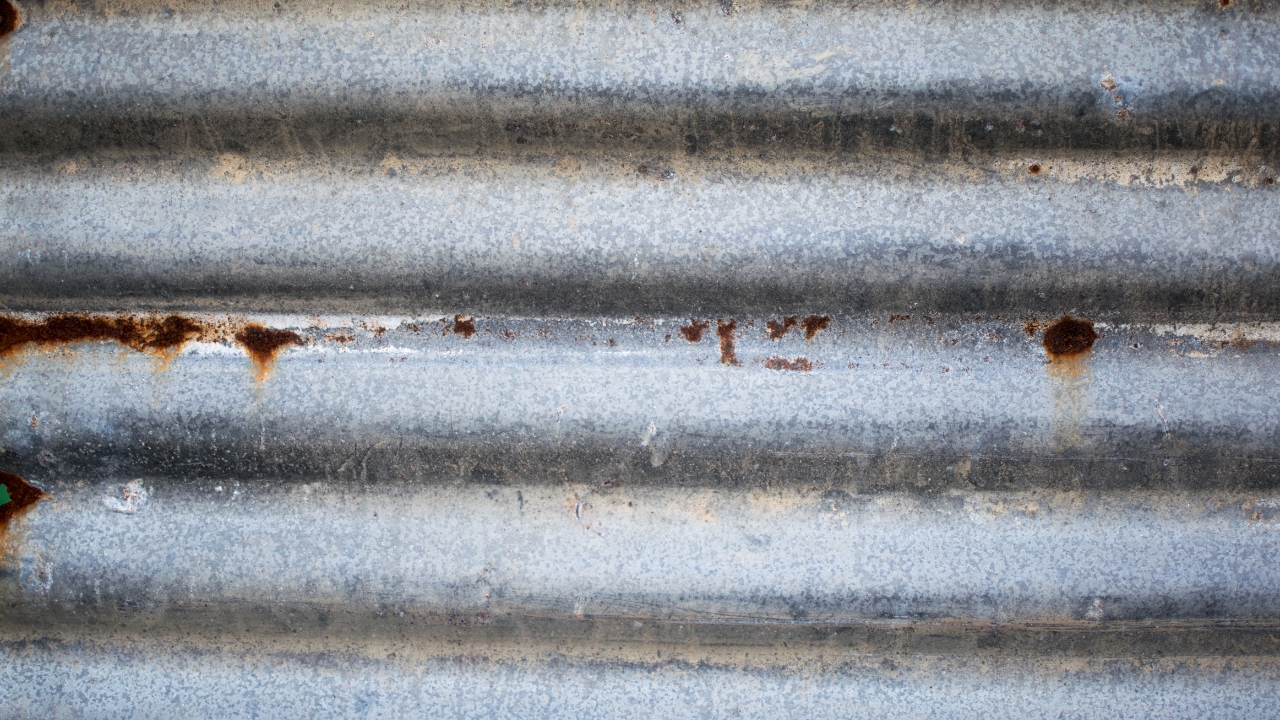
Zinc-rich coatings do not last forever. The zinc sacrifices itself over time, and eventually the zinc concentration drops to a level where galvanic protection is no longer effective. The time this takes depends on the environment: a mild inland setting in dry conditions will give much longer life than a coastal or industrial setting with high humidity, salt, or chemical exposure.
The advantage of understanding this is that zinc-rich coatings give you a predictable system. You can monitor condition, identify when the zinc is depleted, and recoat before the steel starts corroding. That is a more manageable approach to corrosion control than waiting for visible rust to appear on a barrier-coated surface and reacting to damage that has already occurred.
Who Uses This and Why
In Pakistan, ZRC Cold Galvanizing Compound is used by steel fabricators, industrial maintenance teams, civil contractors, plant and facility managers, and asset owners responsible for structural steel, industrial equipment, towers, platforms, water infrastructure, and similar assets.
For fabricators, it is part of the standard coating workflow for galvanized repair and weld seam treatment. For maintenance teams, it is the go-to product for field repair of damaged galvanized surfaces. For contractors, it is a practical answer to the gap between what a project budget allows for hot-dip galvanizing and what the actual corrosion protection requirement demands.
Final Thought
Pakistan’s climate, industrial environment, and site conditions are not kind to steel. Corrosion at weld seams, cut edges, drilled holes, and fasteners is not a minor issue. It shortens the life of steel assets, increases maintenance costs, and creates structural risks over time.
Understanding why cathodic protection works differently from barrier coating, and why zinc concentration in the dry film is the critical specification to look for, helps you make better decisions about how you protect steel corrosion in real Pakistan conditions. ZRC Cold Galvanizing Compound gives fabricators, maintenance teams, and contractors access to a galvanic protection approach without needing a factory galvanizing setup. For many projects and maintenance situations in Pakistan, that is exactly the gap it fills.


