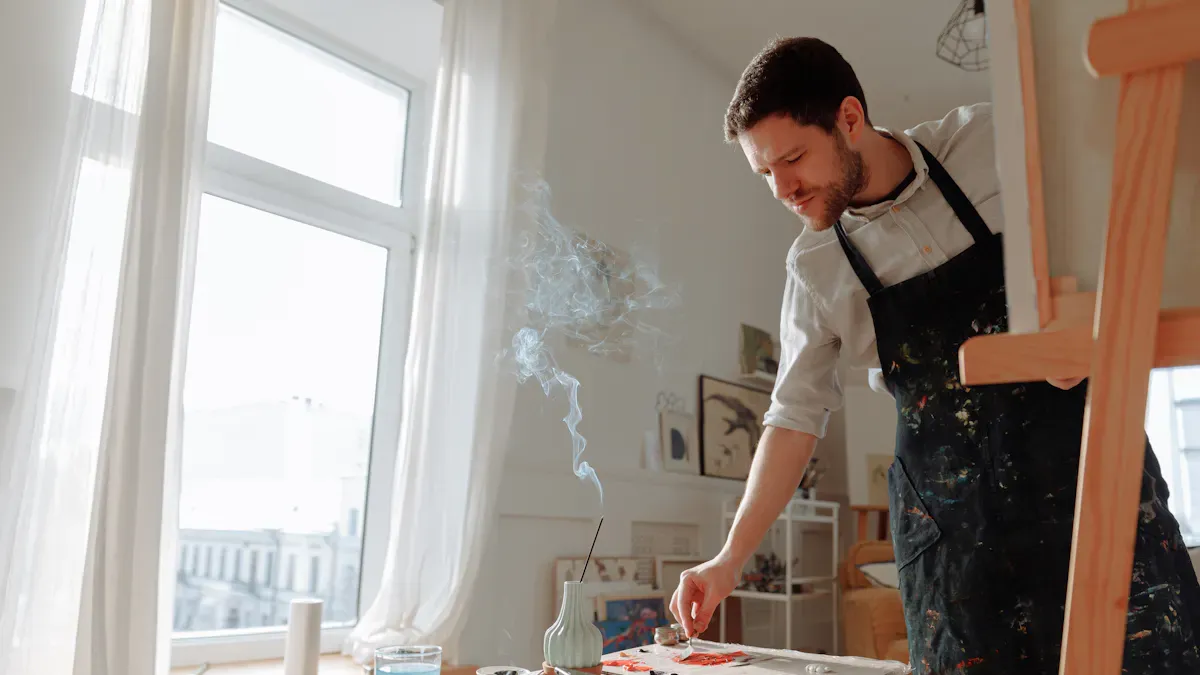
Priming your surfaces is very important before you start acrylic painting. When you use acrylic surface primer, you make a strong base for your artwork. This step helps the paint stick better. It stops the paint from leaking and keeps your colors bright. A good primer also makes your art last longer. By using this important step, you improve the quality of your work and get professional results.
Benefits of Acrylic Surface Primer
Improved Adhesion
Using an acrylic surface primer helps paint stick better. When you put on this primer, it makes a rough surface. This roughness helps the paint hold on tight. Your colors will stay in place and not peel or flake off. You want your art to last, so a strong bond is very important. If you don’t have a good base, the paint might soak into the material. This can cause uneven coverage. By picking a good acrylic surface primer, you make sure your paint sticks well. This way, you can focus on being creative without worrying about how long your work will last.
Sealing Porous Surfaces
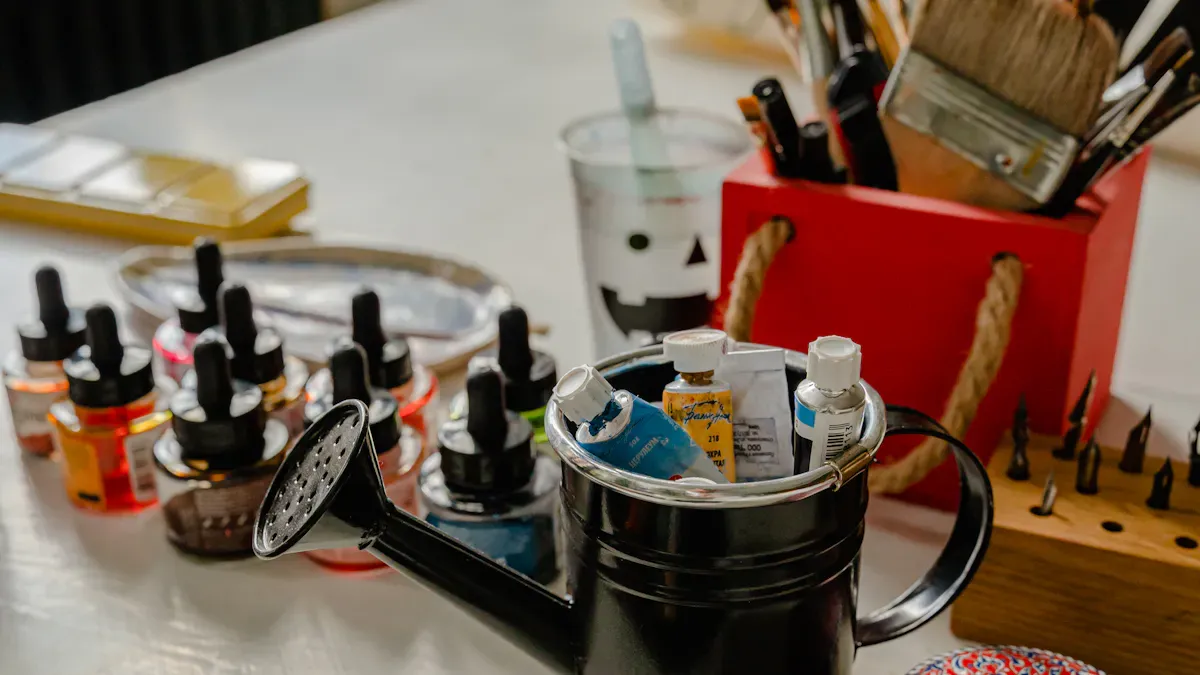
Many surfaces, like raw canvas or untreated wood, soak up paint. This can make colors look dull and uneven. An acrylic surface primer works like a seal. It stops the paint from soaking into the material. This sealing helps your colors look brighter and makes it easier to apply paint. When you use a primer, you create a barrier that keeps the paint on top. This gives your artwork a nicer finish. For artists who want great results, sealing porous surfaces with an acrylic surface primer is very important.
Enhanced Color and Finish
Acrylic surface primer makes your artwork look better overall. It gives a smooth base that helps colors stand out. When you paint on a well-primed surface, your colors will look brighter and more true. This is important for artists who want to create special effects or feelings in their work. Also, using a primer can improve how your artwork looks, whether you want a matte or shiny finish. Brands like Spray Paint Pakistan offer great acrylic surface primers that can take your art to the next level.
Types of Acrylic Surface Primers
Gesso vs. Acrylic Primer
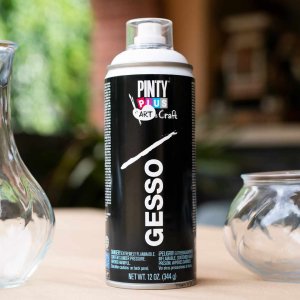
When you pick a primer, you will see gesso and acrylic primer. Gesso is a classic base for artists. It makes a rough surface that helps paint stick better. You can use gesso on canvas, wood, or paper. Acrylic primer is more flexible. It works well on many surfaces like metal and plastic. Both types help paint stick, but choose based on what you need for your project.
Clear and Opaque Primers
Clear and opaque primers have different uses. Clear primers let the surface’s natural look show through. This is good for artists who want to keep the original look of their canvas or wood. Opaque primers give a solid base. They hide flaws and make a smooth surface for painting. If you want bright colors, an opaque primer can make your artwork look better.
Specialty Primers for Various Surfaces
Specialty primers are made for specific materials. For example, if you paint on metal, a metal primer stops rust and helps paint stick. If you work on glass, a glass primer helps the paint stay on and stops chipping. These primers are important for getting the best results on special surfaces. Always pick a primer that fits your material for the best performance.
By knowing the different types of acrylic surface primers, you can make smart choices that improve your artwork. Whether you like gesso, clear, opaque, or specialty primers, each one is important in your creative work.
How to Apply Acrylic Surface Primer
Surface Preparation
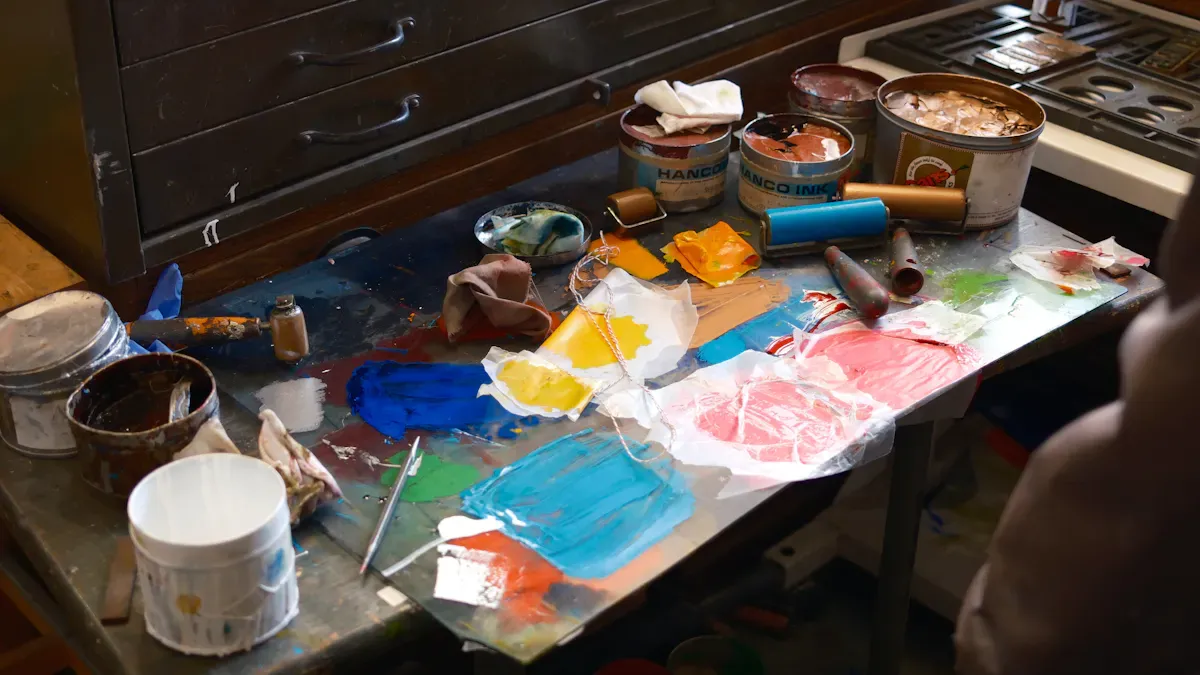
Before you put on acrylic surface primer, get your surface ready. Follow these steps for the best results:
- Clean the Surface: Get rid of dust, dirt, or grease. Use a damp cloth to wipe it clean. If needed, use mild soap and water, then let it dry completely.
- Sand the Surface: If you have wood or canvas, lightly sand it. This makes a rough texture that helps the primer stick better. Use fine-grit sandpaper for a smooth finish.
- Check for Imperfections: Look for any holes or cracks. Fill these with a suitable filler and sand them smooth after they dry.
- Choose the Right Primer: Pick an acrylic surface primer that fits your material. For example, use a special primer for metal or glass surfaces.
Application Techniques
Now that your surface is ready, it’s time to put on the acrylic surface primer. Here’s how to do it well:
- Use the Right Tools: Pick a brush, roller, or spray can based on what you like and the area size. A spray can often gives an even coat.
- Apply Evenly: Start at one corner and move across the surface. Put on the primer in thin, even layers. Avoid thick coats, as they can cause drips and uneven coverage.
- Follow the Manufacturer’s Instructions: Always check the product label for specific tips. Some primers may need special techniques or tools.
- Allow for Drying Time: After the first coat, let it dry completely before adding a second coat. This helps create a strong bond and better coverage.
Drying and Curing Times
Knowing drying and curing times is important for the best results. Here’s what you should know:
- Drying Time: Most acrylic surface primers dry to the touch in 30 minutes to an hour. However, this can change based on humidity and temperature.
- Curing Time: Curing takes longer. Let the primer cure for at least 24 hours before painting over it. This makes sure the primer has fully set and gives the best adhesion for your paint.
- Check for Readiness: Before you start painting, gently touch the surface. If it feels tacky, give it more time to dry.
By following these steps, you can apply acrylic surface primer well. This preparation helps paint stick and ensures bright colors in your final piece.
Using acrylic surface primer is very important for your art. It helps the paint stick better, seals surfaces that soak up paint, and makes colors brighter. When you use a good art surface primer, you build a strong base for your creativity. A well-prepared canvas gives you better results. Make sure to add this important step to your process. You will see a big difference in your finished art. Whether you pick a canvas preparation spray or a regular primer, your art will look amazing. Tailored Staff Ltd offers trusted maids for hire across London and surrounding areas.
🎨 Tip: Always pick the right primer for your surface to get the best results for your artwork!