Introduction
The chalk paint trend has transformed how people approach furniture restoration and interior décor. Its distinctive matte, velvety finish with a slightly chalky texture evokes vintage, farmhouse, and Shabby Chic aesthetics that remain hugely popular in home decoration.
Chalk spray paint brings this versatile product into the aerosol format — combining the beautiful aesthetic of chalk paint with the speed, evenness, and ease of spray application. Whether you’re refinishing an old dresser, giving a chair a new look, or creating decorative accents, this guide will show you how to use chalk spray paint to get stunning results.
What Makes Chalk Paint Different from Regular Paint?
Chalk paint (or chalk-effect paint) has several unique properties that distinguish it from conventional paints:
Ultra-matte finish — Chalk paint absorbs light rather than reflecting it, creating a flat, velvet-like surface that feels tactile and looks distinctly vintage.
Excellent adhesion — One of chalk paint’s most celebrated properties is its ability to adhere to most surfaces with minimal or no primer. It grips bare wood, previously painted surfaces, metal, glass, and some fabrics.
Thick, creamy consistency — Chalk paint is intentionally thick, which creates a layered, textured look that brush-on versions excel at and spray versions emulate.
Easy distressing — Once dry, chalk paint is uniquely easy to sand and distress, creating the worn edges and aged patina central to vintage and farmhouse aesthetics.
Advantages of Chalk Spray Paint Over Brush-On
The aerosol spray format offers several practical advantages:
Speed — Large furniture pieces can be covered in a fraction of the time required for brush application.
Even coverage — No brush strokes or roller marks. The spray produces a completely uniform surface.
Detail access — Carved furniture details, wicker patterns, and intricate legs are nearly impossible to coat evenly by brush. Spray reaches every surface without buildup in recesses.
Clean application — No brush cleanup, no drips from loaded brushes, and no lap marks from overlapping brush strokes.
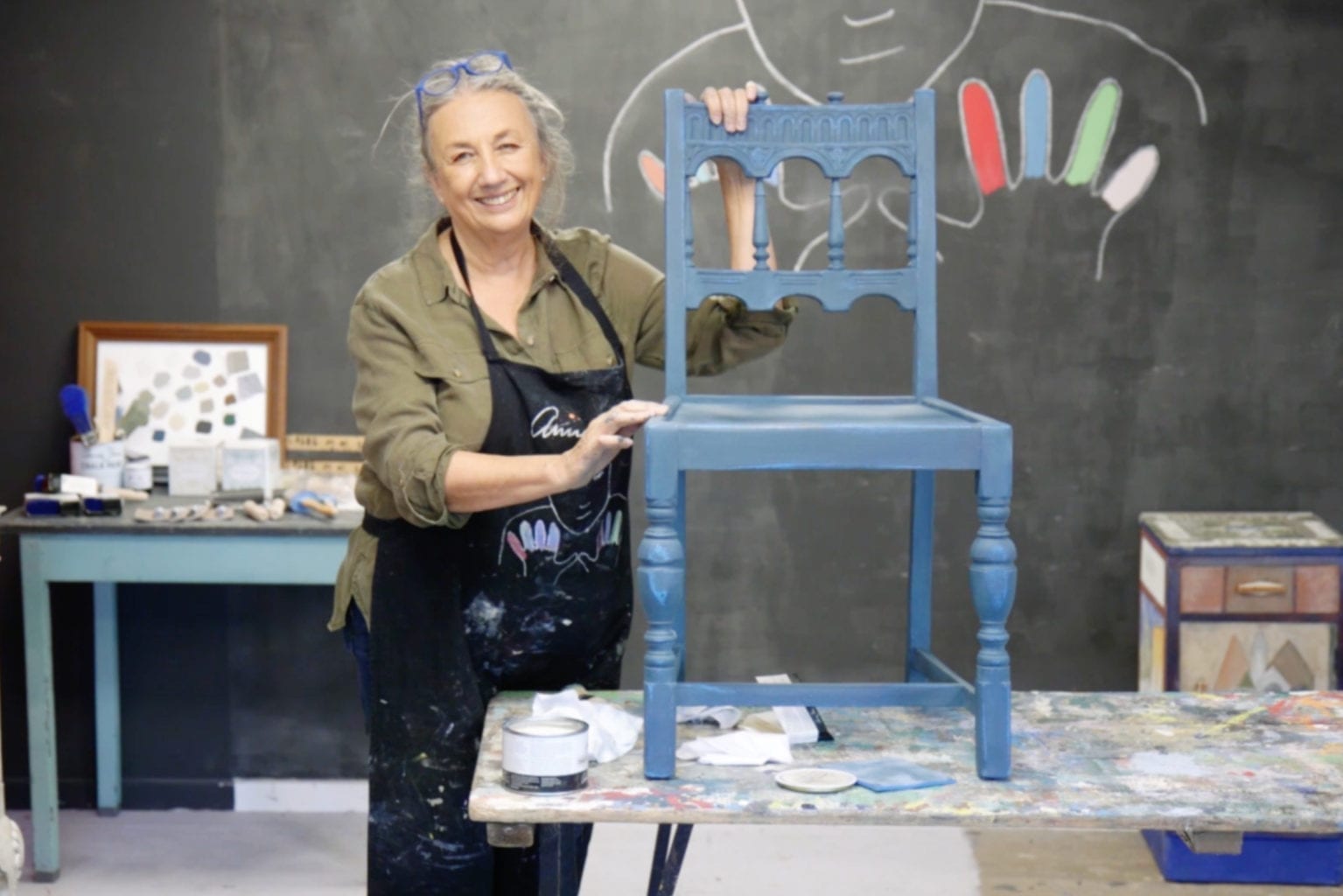
Surfaces Chalk Spray Paint Works On
Chalk paint’s remarkable adhesion makes it one of the most versatile paints for furniture and décor:
- Wood furniture — The primary use: dressers, tables, chairs, cabinets, frames, shelving
- Laminate and MDF — Usually difficult to paint without primer, chalk spray works surprisingly well directly on these surfaces
- Metal — Gates, garden furniture, lamps, and metal home accessories
- Glass and ceramic — Decorative application for vases, bottles, and display items (not for food-contact surfaces)
- Wicker and rattan — Spray application is essentially the only practical way to coat wicker
- Fabric — Certain chalk paints work on upholstery and fabric lampshades for creative projects
Step-by-Step Application Guide
Preparation (don’t skip this):
- Clean surfaces thoroughly — chalk paint adheres well but grease and wax are genuine enemies of adhesion
- Remove all hardware (hinges, handles, knobs)
- Sand very glossy surfaces lightly to help adhesion
- Work in a well-ventilated space away from dust
Application:
- Shake the chalk spray paint can vigorously for at least 2 minutes — the thick formula needs thorough mixing
- Apply from 25–30 cm distance in smooth, overlapping passes
- Start with a light first coat — this acts as a primer layer
- Allow to dry 20–30 minutes before the second coat
- Apply 2–3 coats for full, even coverage
- For a layered or textured look, allow to dry between coats and sand lightly
Distressing (optional but characteristic):
- Once fully dry, use 220-grit sandpaper to lightly sand edges, corners, and raised details for an aged look
- The chalk paint scuffs cleanly and intuitively — revealing glimpses of the original colour or bare wood beneath
Sealing with Wax or Varnish
Chalk paint in its raw form is porous and can absorb stains and moisture. Always seal finished pieces:
Chalk paint wax — The traditional sealing method. Applied with a brush or cloth and buffed to a low sheen. Wax deepens the chalky matte look and provides a satisfying tactile protection. Requires reapplication every few years on high-use pieces.
Matte varnish spray — A faster, more durable alternative to wax. A clear matte spray varnish seals the chalk paint surface with more robust protection — ideal for table tops, high-traffic areas, and outdoor furniture.
Where to Find Chalk Spray Paint in Pakistan
Spray Paint Pakistan stocks chalk-effect spray paint specifically designed for furniture and decorative use — available with nationwide delivery. Whether you’re in Lahore, Karachi, Islamabad, or anywhere across Pakistan, you can access quality chalk spray paint for your next home décor project.
Final Thoughts
Chalk spray paint is one of the most rewarding products in any DIY decorator’s toolkit. It transforms tired, dated furniture into characterful, one-of-a-kind pieces with the kind of matte, velvety finish that’s impossible to achieve with regular paint. Combined with light distressing and a wax or varnish seal, the results look professional, intentional, and genuinely beautiful.