

There is a chest of drawers in a lot of Pakistani homes that nobody quite knows what to do with. It is perfectly functional, solidly built, probably from good-quality solid wood or at least decent timber board — but it is dark and dated and does not work in the room it is in anymore. Or there is a set of dining chairs from a decade ago that match nothing in the current house. Or a bedside table that came with the bedroom set but has no personality of its own.
The default response is either to live with it or to replace it, and neither option is particularly satisfying. Living with a piece of furniture that does not work in the space creates a low-grade aesthetic discomfort that most people have simply stopped noticing. Replacing perfectly functional furniture is expensive and, in most cases, completely unnecessary.
Chalk paint spray for furniture makeover is the third option — the one that most people in Pakistan are only recently discovering, and one that changes the calculation entirely.
What Is Chalk Paint and Why Is It Different?
Chalk paint is a water-based paint containing calcium carbonate — chalk — as a key component. This chalk content changes the properties of the paint in ways that make it uniquely suited for furniture and decorative surfaces. It creates a matte, velvety, distinctly non-plastic-looking finish that is completely different from standard gloss or satin paint by matte finish spray. It has excellent opacity — it covers dark surfaces, old wood, and previously painted furniture without requiring a separate primer in many cases. And it adheres to most surfaces without the sanding and stripping that standard paint requires.
In spray format, chalk paint combines all of these properties with the convenience and even coverage that aerosol application provides. The result is a tool that allows furniture transformation that is genuinely accessible — not just in terms of skill level required, but in terms of the effort and preparation involved.
The Pakistani Context: Why Furniture Makeover Matters Here
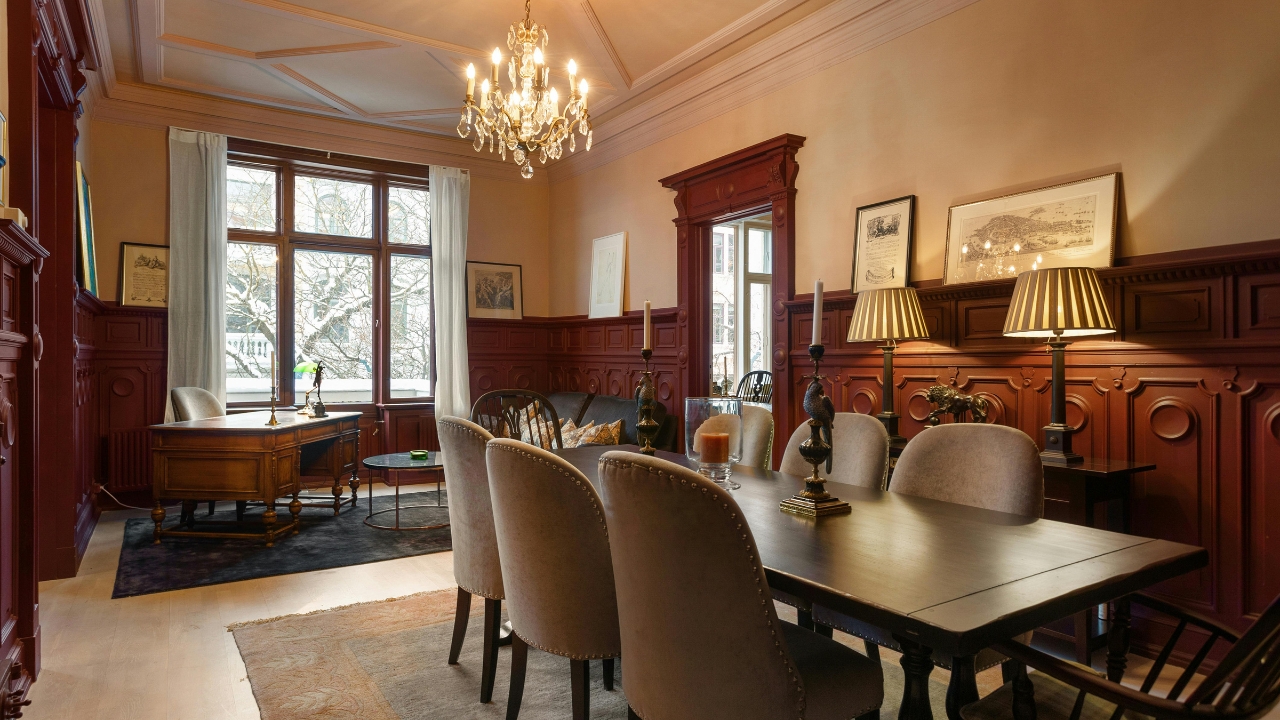
Pakistan has a strong tradition of quality furniture manufacturing, particularly in Lahore, Chiniot, and other furniture-producing regions. Many Pakistani homes contain genuinely well-made pieces of solid wood furniture — sheesham, kikar, sagwan — that are structurally sound and beautifully constructed but aesthetically dated or simply not matching the direction the home’s interior design has taken over time.
These pieces are worth keeping and transforming, not discarding. The wood quality in many traditional Pakistani furniture items is better than what you can find in most modern flat-pack or imported alternatives. Chalk paint spray gives these pieces a new visual life while preserving the structural integrity of the original.
There is also a growing interior design consciousness in Pakistan’s urban centres, particularly among younger homeowners in Lahore, Karachi, and Islamabad who are looking at Scandinavian minimalism, French provincial styles, and contemporary colour palettes — all of which align perfectly with chalk paint aesthetics.
What to Expect from the Chalk Paint Finish
The chalk paint finish has a characteristic look that is immediately recognisable once you know what to look for. It is matte — deeply, genuinely matte, with a soft, almost powdery surface appearance applied through the matte finish spray. It is flat and even in tone, without the depth variation of a gloss or satin paint that reflects light differently at different angles. And it has a warm, slightly chalky quality that photographs beautifully and creates a very different atmosphere in a room compared to shiny or plastic-looking finishes.
The available colours in professional chalk paint lines are designed to work with this finish — soft, complex, slightly desaturated tones that behave differently from the primary and secondary colours of regular paint. Dusty greens, warm greys, old rose, stone, sage, off-white, cactus green — these are the kinds of colours that work with the chalk paint aesthetic and are why chalk-painted furniture has such a particular character.
Preparing Furniture for Chalk Paint Spray
Clean Thoroughly
This is the most important step. Chalk paint adheres to a remarkable range of surfaces, but it does not adhere well to contaminated ones. Old wax, polish, oil, and kitchen grease are the most common contaminants on furniture surfaces in Pakistani homes. Clean the piece with a degreaser or TSP substitute, working into joints and recesses, and allow to dry completely.
Light Sanding Where Needed
For very glossy existing surfaces, a light scuff-sand with 220 grit paper breaks the gloss enough to give the chalk paint something to grip. This is not deep sanding to bare wood — just enough to dull the existing finish. Wipe off all dust before spraying.
Work in Manageable Sections
For large pieces like wardrobes or dining tables, work in sections rather than trying to coat the entire piece in a single continuous pass. This ensures consistent coverage and prevents the early sections from drying too far before you can blend the later ones.
Application Technique for Even Coverage
Hold the chalk paint spray at 25 to 30 centimetres from the surface. Apply the first coat in smooth, overlapping passes. The matte finish of chalk paint means that application marks — spray lines, slight overlaps — are less visible in the final result than they would be in a gloss finish, but consistent passes still produce the cleanest result.
The first coat will often look slightly uneven — this is normal with chalk paint. It is covering an old, possibly textured or uneven surface, and the first coat is essentially the adhesion layer. The second coat is where the coverage becomes solid and even. For most furniture applications, two to three coats are sufficient for a clean, opaque finish.
Finishing and Sealing Chalk Paint
Raw, unsealed chalk paint is porous and highly absorbent — it marks easily and is not cleanable in the way that a sealed finish is. For any piece of furniture that will be used daily — a dining chair, a side table, a chest of drawers — sealing is not optional, it is the step that makes the piece functional.
The two main sealing options are wax and water-based varnish. Furniture wax, worked into the surface with a cloth and buffed, creates a soft, slightly lustrous finish that preserves the chalky character of the paint while giving it weather and mark resistance. It deepens the colours slightly and adds a warmth to the finish. Water-based varnish in matte or satin creates a slightly harder, more durable surface that is good for high-use pieces and easier to maintain with damp cleaning through matte finish spray.
Creating Depth: The Distressed Look and Its Variations
One of the most popular techniques with chalk paint is distressing — deliberately creating areas of worn paint that reveal the underlying wood or previous paint layer. Because chalk paint has such good coverage and such an even surface, controlled distressing with fine sandpaper at edges, corners, and raised details creates a convincingly aged, natural look that works particularly well on traditional and rustic-style furniture.
In Pakistani interior design, this technique works well with traditional wood furniture — carved dining chairs, sheesham storage pieces, old-style console tables — where revealing the natural wood beneath the chalk paint colour adds character rather than detracting from the finish.
Conclusion
Chalk paint spray for furniture makeover is one of the most accessible, highest-impact transformation tools available for Pakistani homeowners who want to refresh existing furniture rather than replace it. It does not demand extensive preparation, it works on most furniture surfaces, it covers in two coats, and it produces a finish with a warmth and character that standard paint cannot replicate. For solid wood furniture that deserves better than a dark, dated finish, or for pieces that simply need a new colour identity to fit a changed interior, chalk paint spray is the most practical and effective starting point.


