Every home has that one piece of furniture that has fallen out of favour. Maybe it is a side table that no longer matches the room, or a cabinet that looks dated next to newer pieces. Decorative mirror paint for furniture offers a way to bring these pieces back into rotation, without the cost or hassle of replacing them entirely.
This blog looks at which furniture pieces respond well to this treatment, how to approach larger surfaces, and what to expect along the way.
Why Furniture Is a Good Candidate
Furniture tends to have flatter, larger surfaces compared to small décor objects, which actually makes the reflective effect more dramatic once finished. A tabletop or a cabinet front gives the paint room to show off its full reflective quality, rather than being confined to a small area.
It is also a practical choice, since furniture is expensive to replace but often still structurally sound even when it looks outdated. A worn-out finish is usually just a surface problem, not a sign that the piece itself needs to go.
Best Furniture Pieces to Start With
Side tables and coffee tables are ideal starting points. Their flat, accessible surfaces are easier to work on than pieces with lots of angles or moving parts, and they are usually small enough to move to a well-ventilated workspace for painting.
Cabinet doors, especially ones that can be removed from their hinges, are another good option. Painting them separately, away from the rest of the cabinet, gives more control and avoids overspray on nearby walls or furniture.
Stools and small benches, particularly ones with simple, flat seats, also work well. Painting just the seat while leaving the legs in their natural wood or metal finish creates a nice contrast between old and new.
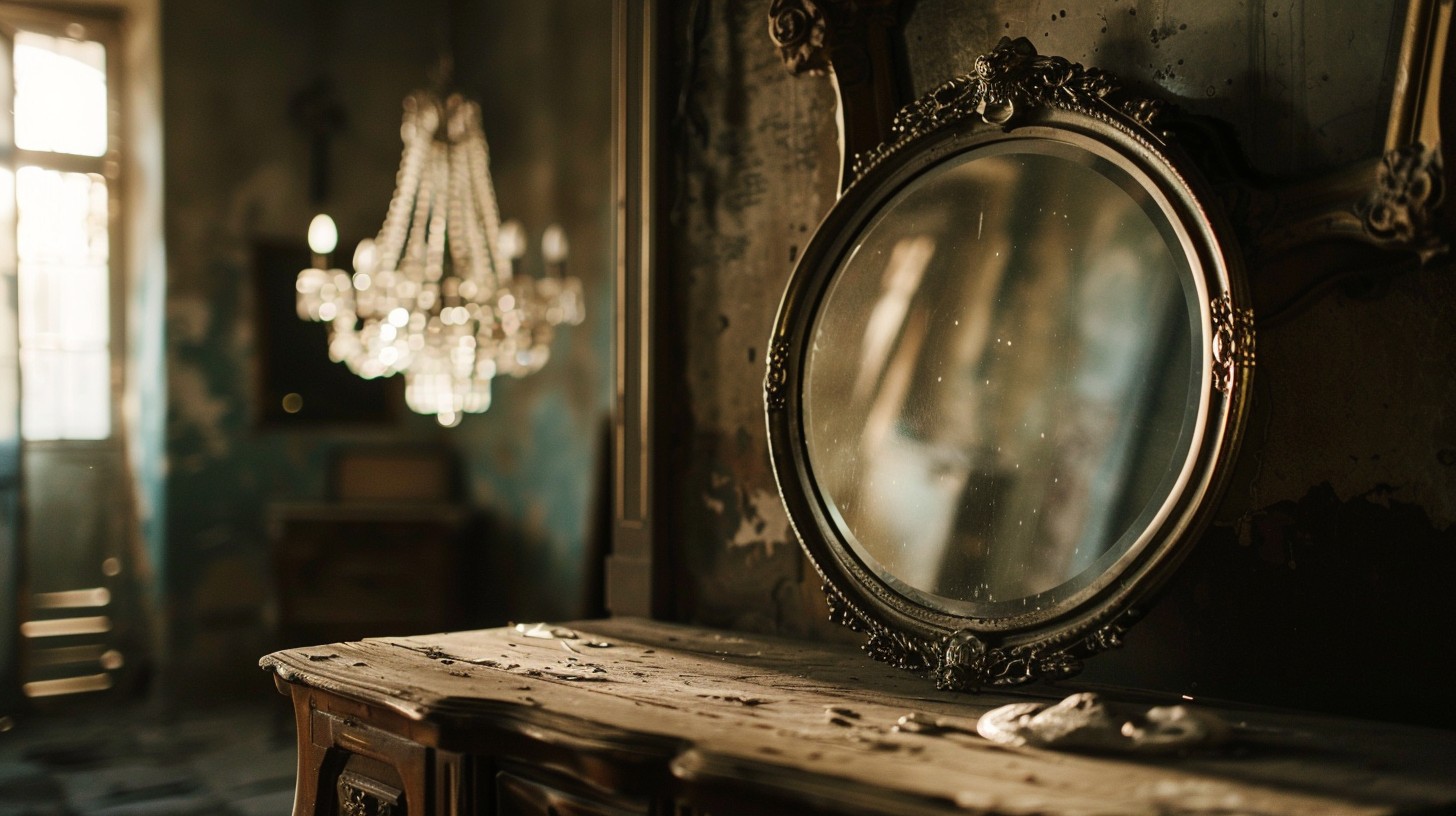
Preparing Furniture Surfaces Properly
Furniture often has years of wear, wax, or old varnish on its surface. This needs to be cleaned off, and in many cases sanded down, before any new paint goes on. Skipping this step is one of the most common reasons furniture makeovers do not turn out well.
Pay close attention to edges and corners, since these areas often get overlooked during sanding but are the first places wear and tear becomes visible over time. A slightly rounded edge, sanded smoothly, also tends to hold paint better than a sharp, untreated one.
Working on Large, Flat Surfaces
Larger surfaces need a slightly different approach than small objects. Work in sections, moving steadily across the surface in overlapping passes, rather than trying to cover the whole area in one continuous motion. This helps maintain even thickness across the entire piece.
Keep the room as dust-free as possible during this stage. A large, flat, wet surface is far more likely to collect dust than a small object, and a single stray particle can leave a visible mark across an otherwise smooth finish.
Turn or reposition the furniture if needed so you are always working at a comfortable angle. Straining to reach an awkward corner often leads to uneven spraying in that exact spot.
Deciding Which Parts to Paint
You do not always need to paint an entire piece. Many of the best furniture makeovers use the reflective finish on just one section, a tabletop, a set of drawer fronts, or a cabinet’s centre panel, while leaving the rest of the piece in its original material.
This partial approach often looks more intentional and balanced than covering an entire piece in reflective paint, which can sometimes feel overwhelming in a smaller room. It also means less time, fewer coats, and a lower chance of visible mistakes across a large surface.
Living With Painted Furniture Day to Day
Furniture gets touched, bumped, and used far more than small décor pieces, so a bit of extra care helps the finish last. Using coasters on a reflective tabletop, for instance, protects it from water rings and heat marks from cups or plates.
Regular dusting with a soft cloth keeps the shine looking fresh. If the piece starts to show light wear after months of use, a small touch-up on just the affected area is usually enough, rather than needing to redo the whole surface.
Matching Furniture to the Rest of the Room
A single reflective piece can feel out of place if the rest of the room does not give it any visual support. Pairing it with a few complementary elements, like a soft rug, warm lighting, or a plant nearby, helps the piece feel like part of the room rather than an odd standout.
It also helps to think about scale. A small reflective side table works well as an accent in almost any room, but a large reflective cabinet or wardrobe front is a bigger visual statement, and works best in a room with enough open space around it to let the piece breathe rather than feel crowded.
When to Call It Good Enough
It is easy to keep adding coats, chasing a slightly better shine each time. At some point, though, it helps to step back and decide the piece is finished. Furniture, especially, does not need the same flawless mirror quality as a small display object, since it will be seen from a distance and used practically, not examined up close every day.
A good rule of thumb is to stop once the reflection is clear enough to notice from across the room. Chasing perfection on a large surface can lead to over-application, which sometimes causes more problems, like cracking or uneven texture, than it solves.
Final Thoughts
Furniture makeovers using a reflective finish are one of the more rewarding projects to take on at home, mainly because the results are so visible in daily life. A tabletop you see every morning, or a cabinet in the main living area, becomes a small daily reminder of a project well done. With a bit of patience during prep and application, even a tired old piece can end up looking like the newest thing in the room.