When you paint plastic surfaces, you may face challenges with adhesion. Without the right preparation, your paint can peel or chip away quickly. This is where plastic adhesion primer plays a crucial role. It helps create a strong bond between the plastic and the paint, ensuring a long-lasting finish. By using this primer, you can enhance the durability of your paint job and enjoy beautiful results for years to come.
Plastic Adhesion Primer Overview

Definition and Function
A plastic adhesion primer is a special primer that helps paint stick to plastic. You might ask why this matters. Plastic surfaces are often smooth. This smoothness makes it hard for paint to stick well. If there is no good bond, your paint can peel or chip off easily. The main job of a plastic adhesion primer is to make the surface rougher. This roughness helps the paint grip better. This primer works like a bridge between the plastic and the paint. It helps ensure a long-lasting finish.
Types of Plastic Primers
You can find many types of plastic adhesion primers in stores. Each type has a specific use, so it’s important to pick the right one for your project. Here are some common types:
- Acrylic Primers: These are water-based and easy to clean. They work well on most plastic surfaces and dry fast.
- Solvent-Based Primers: These primers stick well and last long. They are great for outdoor projects but need careful handling because of their strong fumes.
- Specialty Primers: Some primers are made for certain plastics, like PVC or polypropylene. These can give the best adhesion for tough surfaces.
Choosing the right plastic adhesion primer can really improve your paint job. Always check the label to make sure it works with your plastic surface.
Importance of Adhesion for Paint Durability
Effects of Poor Adhesion
If you paint a plastic surface without good adhesion, you can have many problems. Poor adhesion can cause paint to peel, chip, or bubble. These issues can ruin how your project looks and make the paint last less time. Here are some common effects of poor adhesion:
- Peeling: Paint can lift off the surface, showing the plastic below.
- Chipping: Small bits of paint can break off, making it look uneven.
- Bubbling: Air can get trapped under the paint, making bubbles appear.
- Fading: Without a strong bond, paint can fade fast from sunlight and weather.
To avoid these problems, you need to make sure the paint sticks well to the plastic. This is why a plastic adhesion primer is very important. It makes a strong bond that helps stop these issues.
Surface Preparation Essentials
Getting the surface ready is very important for a strong paint finish. Here are some key steps you should follow:
- Clean the Surface: Get rid of dirt, grease, and dust from the plastic. Use soap and water or a good cleaner. Make sure the surface is completely dry before moving on.
- Sand the Surface: Lightly sand the plastic with fine-grit sandpaper. This makes a rough texture that helps the primer and paint stick better.
- Use Plastic Adhesion Primer: Put on a plastic adhesion primer following the manufacturer’s instructions. This primer will improve the bond between the plastic and the paint.
- Allow Proper Drying Time: Let the primer dry fully before painting. This helps the paint stick well and last longer.
By following these steps, you can greatly improve how long your paint finish lasts. Remember, taking time to prepare the surface well will help in the future.
Benefits of Using Plastic Adhesion Primer
Enhanced Adhesion and Coverage
Using a plastic adhesion primer helps paint stick better to plastic. When you put on this primer, it makes the surface rougher. This roughness helps the paint grip better. Because of this, your paint job will last longer and look nicer. You can expect a smoother finish and even color all over the surface.
Here are some key benefits of better adhesion:
- Stronger Bond: The primer creates a strong bond with the plastic and the paint. This bond stops peeling and chipping.
- Better Color Retention: With better adhesion, the paint keeps its color and brightness for a longer time.
- Fewer Coats Needed: You might need less paint. The primer helps the paint cover the surface more easily.
When you pick a good plastic adhesion primer, like those from Spray Paint Pakistan, your paint job will last longer.
Prevention of Common Issues
Using a plastic adhesion primer also stops many common painting problems. Without good preparation, you could have issues like bubbling, peeling, or fading. These problems can ruin your hard work and cost you money to fix. Here’s how a plastic adhesion primer can help:
- Reduces Bubbling: The primer seals the surface, stopping air from getting under the paint. This lowers the chances of bubbling.
- Minimizes Peeling: A strong bond between the primer and the paint keeps the paint stuck to the plastic. This reduces the chance of peeling over time.
- Enhances Durability: The primer protects the paint from things like moisture and sunlight. This protection helps keep the paint in good shape.
By using a plastic adhesion primer, you can avoid these common problems and enjoy a nice, long-lasting finish on your plastic surfaces.
Application Process for Plastic Adhesion Primer
Preparation Steps
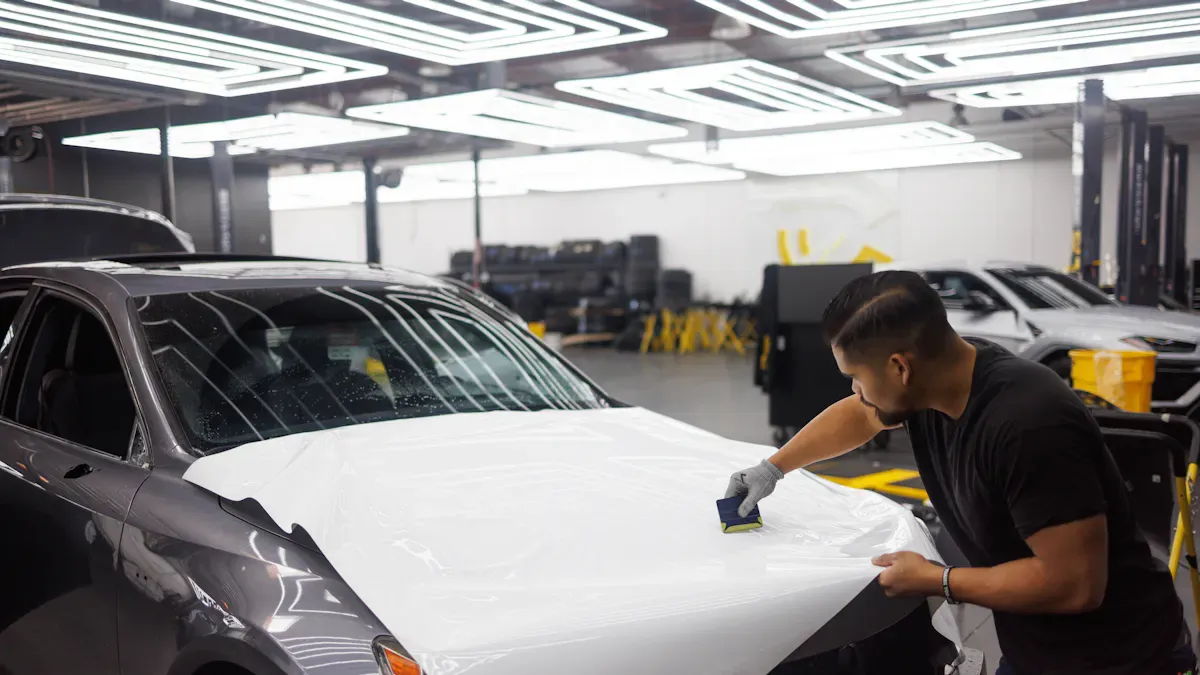
Before you put on plastic adhesion primer, you must get the surface ready. Follow these steps for the best results:
- Clean the Surface: Get rid of dirt, grease, or dust. Use soap and water or a good cleaner. Make sure the surface is completely dry before you continue.
- Sand the Surface: Lightly sand the plastic with fine-grit sandpaper. This makes a rough texture that helps the primer stick better.
- Choose the Right Primer: Pick a plastic adhesion primer that fits your project. Check the label to make sure it works with your plastic surface.
- Protect Surrounding Areas: Use painter’s tape to cover spots you don’t want to paint. This keeps your project looking neat.
Application Techniques
After you prepare the surface, you can put on the plastic adhesion primer. Here’s how to do it well:
- Use a Spray Can or Brush: Depending on what you like, you can use a spray can for an even coat or a brush for more control. If you use a spray can, hold it about 6-12 inches from the surface.
- Apply Even Coats: Start at one end and move to the other. Apply a thin, even coat. Avoid thick layers, as they can cause drips.
- Allow Drying Time: Let the primer dry according to the manufacturer’s instructions. This step is very important for a strong bond.
- Inspect the Surface: After it dries, check for any missed spots. If needed, apply a second coat for better coverage.
By following these preparation steps and application techniques, you can create a strong bond between the plastic and the paint. This will help make sure your project has a long-lasting finish.
Common Mistakes to Avoid
Skipping Primer
One big mistake is not using primer at all. You might think skipping it saves time or money. But this choice can cause serious issues. Without primer, paint has a hard time sticking to plastic. This can lead to peeling, chipping, or fading.
Tip: Always use a plastic adhesion primer before painting. It creates a strong bond that helps your paint last longer.
Improper Surface Preparation
Another mistake is not getting the surface ready. You might want to paint over dirt or grease, thinking it won’t matter. But this can ruin your paint job. If the surface isn’t clean, the paint won’t stick well. Here are some important steps for good surface preparation:
- Clean Thoroughly: Use soap and water to wash away dirt, grease, or dust. A clean surface is key for good adhesion.
- Sand Lightly: Lightly sand the plastic with fine-grit sandpaper. This makes a rough texture that helps the primer and paint stick better.
- Dry Completely: Make sure the surface is fully dry before applying primer. Moisture can mess up adhesion.
By avoiding these mistakes, you can greatly improve how long your paint finish lasts. Taking time to use primer and prepare the surface right will help in the future. Your painted plastic surfaces will look better and last longer.
In conclusion, using plastic adhesion primer is very important for strong paint finishes on plastic. This primer helps paint stick better, stops common problems, and makes your paint job last longer. Always prepare your surface well and pick the right primer for your project. By doing these things, you can have nice, long-lasting results. Don’t skip this important step; it really helps your painting turn out great! 🎨